
[0:00] Somebody asked me, they asked me, Raven, is it okay for us to eat DNA? Now we laughing because we know what. Yeah, I mean, you eat DNA, like, it's okay for you to eat DNA. Actually, you would die if you didn't eat DNA.
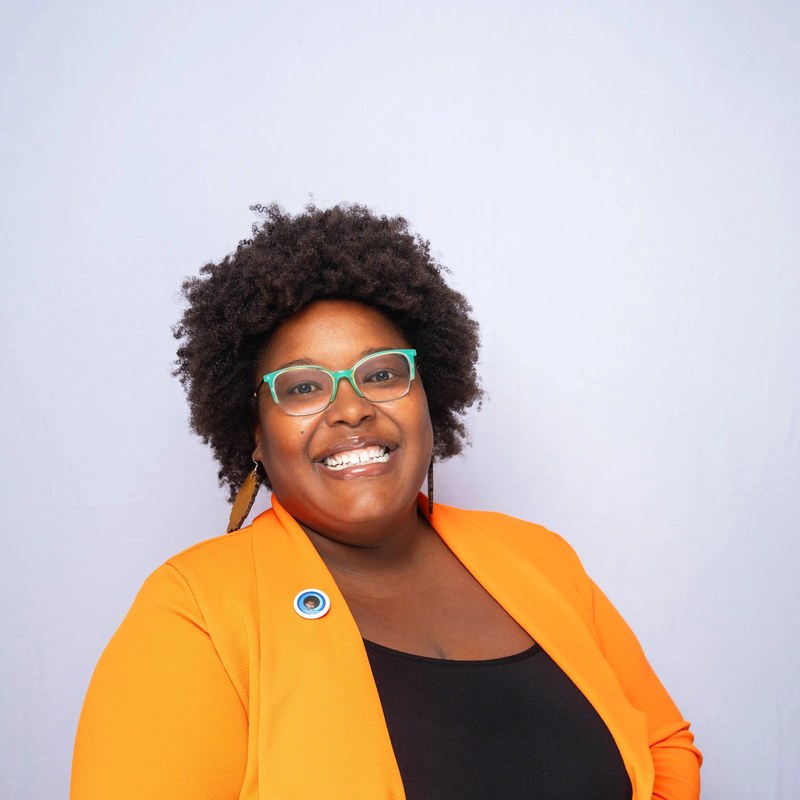
[0:30] Okay, okay, okay, okay, okay. We Liddy. Oh, we Liddy. Oh, we Liddy. What? We outside. We Liddy. Let's go, we Liddy. What? We Liddy. Hold up. And we outside. Yeah. Let's go. Dang. Come on, Bimswee. Take me back. Take me back. Take me back. It's been such a cold, sad world. Listen, I mean, like, truly, truly, truly. Listen, y'all, we have a very special episode today of The Science of Life with me, Dr. Raven Baxter. Okay. That's me. Today, we have here Dr. Tierra Moore. Aside from being a real one, a trailblazer. Okay. Okay. The way maker. Okay. Okay. Okay. Phenomenal woman. Dr. Tierra Moore is the founder and chief executive officer of Black and Marine Science, Bims.
[1:58] Okay. So, if you hear Bims, Bims. Okay. Ride the wave. Let's go. Born in Philadelphia, Pennsylvania. Okay, Philly. And raised in Greenwood, South Carolina. Dr. Moore is a dynamic and exuberant leader who has dedicated her career to creating equity in marine science. Dr. Moore has a B.S. in biology from Winthrop University and an M.S. in biology with a concentration in environmental science from Hampton University. Come on. Dr. Moore earned her Ph.D. in biology from the University of California, Los Angeles, UCLA, and conducted post-doctoral research at both the University of Washington and the Nature Conservancy. Okay. We're talking big dog behavior. Big boss shit. Okay. Thank you.
[2:51] Now, it gets better. In 2020, Dr. Moore created hashtag Black and Marine Science Week to celebrate the contributions of past and current Black marine scientists, deepen understanding of climate change and ocean literacy, and connect Black marine scientists around the world. And when we say around the world, we mean around the whole globe. Honey, we have 32 different countries. Okay. Okay. Since then, the group has grown rapidly. Okay. That's an understatement. I would say exponentially. Exponentially. Exponentially. From a week of activities to a robust 501c3 nonprofit organization with full-time staff, okay, a board of directors, and over 350 members representing 31 countries. Yeah, that's low. Let me stop.
[3:46] We have 500 members now in 32 countries. Over 500 members in 32 countries. Yes. Let's go. Let me update that. Let me update that. Listen. Dr. Moore's research focuses on human nutrient pollution causing cascading effects like algal blooms and eutrophication and acidification, ultimately leading to poor water quality and loss of biodiversity. Dr. Moore uses environmental eDNA and community engagement methods to conduct innovative science that advances the field while also educating the communities most impacted. Okay. Dr. Moore is currently a principal investigator or co-principal investigator on over $8 million. United States dollars in National Science Foundation research grants. $8 million. Okay. All right. Not a milli, eight milli.
[4:51] Eight of them. Okay. The research projects focus on upstream and downstream communities to better understand the impacts of nutrient pollution through the development of an online data platform and documentary. Yes, harm in the water coming soon. The establishment of the BIMS Institute to increase racial equity in marine science and the formation of the BIMS tidal wave to increase travel support and professional development opportunities for scientific conferences. Mm-hmm. You about to take 50 people to Barcelona. Let's go. We about to take 50 people to Barcelona. Dr. Moore was recently featured in Vogue magazine for her expert opinion on the state of the ocean for World Ocean Day.
[5:36] She was also selected as the June Sea Hero for Scuba Diving magazine. Okay. This is giving vogue for scuba. She was a 2020 recipient of the Black Voices for Black Justice Fund Award. She is also featured in both the Google Arts and Culture online platform and the California Academy of Sciences as a leading queer black woman in STEM. Most recently, Dr. Moore was awarded the Coastal and Estuarine Research Federation Diversity, Equity, Inclusion, and Justice Champion Award. Y'all, ladies, thadies, gentlemen, this is Dr. Terry Moore. And I wanted to make sure we read the whole thing so you could understand the excellence that we have here today.
[6:25] Thank you for coming. I'm reading the whole thing. Come on now. The whole entire thing. And we're going to get into the whole thing, too. I got some questions for you. Okay. All right. Let's do it. First and foremost, how have you been?
[6:39] It's the fact that I just got off a plane. I flew from San Francisco last night. But honestly, though, I've been great. Like, it's just, I mean, it is a lot. I can't stank. Like, it's not like it's a lot. But I'm doing the work that I absolutely love. And, like, I'm creating the work so I can't be mad. Don't I know? I mean, you know how to do it. It's not easy being the first, the trailblazer, the executor, the chief executive officer. The caller-outer. The caller-outer. The holder-accountable lover. You know, it's quite a bit of work. Like, what does it feel like to trailblaze in this space?
[7:15] Honestly, that's, dang, that's such a great question because I feel like for a lot of the time, I'm on autopilot. I'm just like, yo, we got to be in the streets. We got to move. We got to move. And I don't really, really think about the impact until I get those, like, messages or, like, DMs. Like, yo, Dr. Moore, I was about to leave and I saw your keynote or I saw BIMS and I saw this or I joined the movement. And now I'm still here and I'm just like, that's real rap. Because that's what BIMS was for me. And I remember that crucial moment where I was thinking about leaving science and then, you know, made that tweet instead.
[7:52] And, like, here we are. So, it's great to be on the side, but it is also a lot of pressure. Yeah. Because I don't want to let folks down, you know. Like, I want people to see that we are black excellence and we belong in this field. And it's not that, oh, because we made BIMS, we're getting special treatment because we're black. It's like, no, actually, we are doing amazing science and we should be acknowledged, but nobody cares about doing that. So, we are going to, you know. And so, that in itself is a lot because marine science, as y'all know, is filled with others that don't always recognize our space and our importance.
[8:28] Yeah. Yeah. Like, what does it, let's, let's actually, for the people who don't understand where BIMS was birthed from. Okay. Let's talk about the birth of this movement and the climate. Now, 2020, was that the genesis? Yeah. Okay. 2020 was the genesis, but I will say, look, in 1989, I was born into America. Hello. Let's take it all the way back. As a black. A capital B. With a capital B. And so, I've just been experiencing, as I would say, racial injustices my whole life. And, you know, I did, you know, have been talking about this story more because I didn't realize how, I would say, triggered I was when I became a marine scientist, but it really stemmed back to a lot of my childhood.
[9:12] And, you know, I tell the story, I was raised by my grandmother. My parents were very young. And, ultimately, my mom was incarcerated when I was younger. Yeah. And so, that was just an injustice there because what she did, giving it to someone else, say, a young white mother. With a 10-month-old child, nobody would have put her away for as long as she was, you know? It's just like, just thinking about the realities of that for what it was. But we know there's disproportionate amounts of times that black folks get locked up. So, I would say that was the first major injustice in my life, just as a wee babe.
[9:43] And so, just growing up in that type of environment when, like, racism and stuff is, like, rooted in where you are because, of course, now I don't have my parents. My grandmother has all these other kids that she's taking care of, like, set us up to be in this, like, poverty-stricken space, you know, to where there wasn't really expectations for me to do too much. But I was always just there, like, in the midst of, like, lurking around, like, where is better? How can I get out of this? And so, I watched a lot of TV. And I watched the Cosby Show. And that was, like, this beautiful black family, like, oh, I wish I had this.
[10:16] How do you get this, you know? Right. And so, yes, I went to school, you know, to be a pediatrician, actually, like Bill. Oh, wow. Yeah. But I realized I ain't like kids like that. I didn't want to work with them. I wasn't going to do it. It wasn't going to be for me. It do be like that. It do be like that. I was like, y'all got it. Y'all got it. I'll be doing too much. But I took this random class called Tropical Ecology. Yeah. And I tell her, it was the first time I was, like, you know, on a boat, in the ocean, collecting samples.
[10:46] There's senior scientists there. And I'm like, are y'all getting paid? Like, what is this job? What are y'all doing? What scam is this? But it was like, oh, no, they're marine scientists. Like, this is what they do. And I'll just say less. And so, for me, I came into the field purely out of curiosity. You know, I was like, whoa, people are getting paid to work in the beach, to work in a boat. Sign me up. Did they look happy? They did. What? That's the thing. Frolicking. See? Put us on the boat. Wow. That's the inspiring thing. When you see people happy doing their job.
[11:20] They had their whole families with them. Their wife and kids was there with them. Well, yeah, we just brought them along on the trip. And y'all getting paid for this? Sign me up. And y'all getting paid for this? So, for me, it was just like, okay, now I know about this new career path. Not ever one time did I think, oh, because I'm black, they're going to look at me like I don't belong here. But you had an interest in marine science, correct? Yeah, just from that trip. Really? No, I had never known anything. I literally, so when I signed up for this class, it's because they were going to Costa Rica for spring break.
[11:48] That's crazy. So, I was like, ooh, let me go to Costa Rica. I don't want to go to Costa Rica. I ain't never been to Costa Rica. So, that was it because how they even had the trips was because they wanted the courses. They wanted us to sign up for those larger because it means they took out a bigger loan. Yeah. They got more money. So, they would list like the spring break trips for the courses. So, you had a whole slew of them to be in front. There was one, I was actually picking between that one and Greece, but it was like an English class and I was going to have to do like some like old, old and day school.
[12:16] I was like, no, that's going to be dry. Let me go to Costa Rica. And that's literally how I picked it because of the spring break trip. Wow. And it changed my whole life. So, anyway, so that, so that's what I'm saying. So, just knowing that I took this trip and was just like hype and they were white professors, like, you know, I didn't even think nothing of it. Right. Y'all out here doing it. Okay, let me go. And then the bullshit started unfolding, correct? And then, yeah, which is interesting because so after that, I was at Winthrop in South Carolina and I remember saying like, cause I pledged for the streets, even though we know, we know.
[12:58] Anyways. We Greek over here. We know. So, I had pledged and I was like doing a bunch of like, you know, different events, step shows and stuff. And that's when I really saw the HBCU life. Yes. Cause Winthrop is a predominantly white institution or PWI. And so, I was like, oh, black people got whole schools? Wow. Yo. Like, this is amazing. I love that. But again, like, it wasn't really a thing. Like, I was just, I've just been floating about and I didn't have a lot of guidance. Like, I was just in the right room. I got a scholarship to Winthrop somehow cause I did some after school program.
[13:32] And so, it wasn't like I picked different schools. I was just there. And it wasn't until I was at Winthrop, in Delta, going to all these different schools. And I was like, wow, this is what's up. And so, I was like, for grad school, I want to go to an HBCU. And so, I tried to find a grad school HBCU with a marine science program. And it was like two of them. And the best one. Yeah. And the best one was at Hampton. So, I write to Hampton and I'm like, hey, I took this one class. Please accept me. I'm going to be the best marine scientist ever.
[14:04] And I was like, all right, go ahead. Come on up here. But you got to pay for it yourself. So, you. Was that for your master's degree? Yeah, that was for my master's. Wow. Yes, for my master's. Oh, you really like switched it up. Yes, really. That's difficult. I don't think people understand how difficult it is to kind of like pivot. Even if it's in your own field. Like, it's a different area. It was. Wow. They were good for accepting you. Good on them. Good job. They was like, you can come up here, but we not give you no money. You got to come pay for it yourself.
[14:33] Well, I'll take it back. Yeah, you know. You know. I'll take it back. It was like, you can take a chance on yourself. But we'll. But we not take it back. We'll at least. We'll at least open the space for you, sis. Like. At least. They said, we'll take the money. Right. But, you know, just got another loan. Hello. So, I went up there. But then, I went up there. It was funny because, again, we're at Hampton, HBCU. But most of the professors in the Marine Science Department were white. So, I go meet my professor, white dude. Real cool. And I'll tell him. I'm like, hey, I'm from South Carolina.
[15:02] I took this one class. I'm going to save the ocean. He's like, okay, read all my papers and tell me what your research project is going to be on. And I end up looking at nutrient pollution in the Chesapeake Bay. Okay. And, again, like, really cool because it was around a bunch of black students. Even though the professors were who they were, it was still like, oh, yeah, I can do this. Like, this is what's up. Yeah. And I think it wasn't until, even though there was, like, smaller racial experiences, like, foolishness that occurred, it really wasn't until I was done. So, I was like, oh, dang.
[15:32] Because of who I am, I'm being treated like I don't belong here. And then I finished my PhD in 2019, started my postdoc. And then the pandemic. And then George Floyd. And then Christian Cooper. And then Bills. So, in that order. You were in grad school during the pandemic? No, no. So, I had just finished. So, I literally just graduated 2019 in June. Went to do my postdoc July 1st of 2019. So, I'm in the middle of my postdoc July and then March. So, I didn't even do a full year. And I just moved to Seattle, Washington. Nice. And I was at the University of Washington.
[16:12] The only black person in the building. I was pulling Issa Rae moves, like, in the bathroom. Like, hey, sis, what's up? In the building? Yeah. In the building? In the whole building. In the building? The whole building. The whole building.
[16:32] I remember in the other building. I was thinking to get lunch. I was assigned a lunch. I was like, why don't you have lunch? Lunch. I'm like, okay. You know, new postdoc. Must be meeting some other postdocs. I get over there. It's the secretary. I said, well, why am I over here meeting lunch with the secretary? Oh, because she black. Yo. Wait. Hold on. Like, I'm being dead serious. Wait, wait, wait, wait, wait. Wait, wait, wait, wait, wait. Say that again. Say it again. So, I'm assigned a lunch. On your visit? No, no, no, no. I was already there. But it was just like, oh, I'm done.
[17:09] I'm here. And I think they kind of realized that there wasn't any other black people there. It's like a stark reality. And so, they assigned you a lunch with this. Yeah, they was all, yeah, we want you to have this lunch so you can get, you know, learn how to, you know, I guess feel more welcome. Okay. So, I'm like, all right, who this lunch with? You know, I'm thinking it's about to be. A professor, somebody in your field. It was the same thing. They said, go talk to the other black person. In the other building. In the other building? So, I had to go outside, walk across the way, walk upstairs, and go meet the other black person.
[17:44] Talk about feeling othered. Yo. And, like, outcast. Literally cast out the freaking building. That's crazy. It was wild. And it was, like, nothing I ever thought about before, like. Were they even, was the secretary even in your department? Well, she was the genie. Yeah, she was the department. Yeah, she was the department secretary. And honestly, listen, shout out. Shout out. Shout out to her. Because I know she was going through it. I know. I know. She's still there. She probably still is. But she came through, hooked me up, let me get my laptop. Because they was not trying to let me order my laptop. So, but yeah.
[18:16] Right. Lord. So, anyway. So, all these experiences. Thinking, like, you know, my lawn's messed up. Like, we had this big board. We could order stuff. And then, like, all of a sudden, my supplies wouldn't get ordered. But everybody else's would. But they didn't know why. Well, did you write it up there? No way. Did you write it up there? Are you sure it didn't get ordered? Well, I actually checked. And you had more than enough than what you asked for. So, I just erased it. Without even telling you. But what about planning? What about me knowing I got some shit coming up? Like, what? Just order the shit.
[18:49] Because I wrote it on the board. So, yeah. Just stupid stuff. Just stupid stuff. I'm irritated. Irritated. I'm so irritated right now. What is going on? And so, after. So, with 2020. And so, anyway. So, I transitioned from YouTube, actually, during this time. To the Nature Conservancy. And so, it was interesting. Because while it wasn't the same, like, stark, stiff whiteness. It was definitely still a predominantly white space. And now, I'm the only black woman at the PhD level that any of them had ever even breathed upon. They're like, breathed upon me. Whoa. What is this? A real life. A real life black person with a PhD.
[19:30] And then, it's just like the comments. Like, you know, I would bring up something like, oh, hey, this didn't happen. Or, hey, something messed with this. Well, you know, I don't see color. So, um. Oh. Okay. Well, that's cool. But, about what I was talking about. Because I didn't even say. So, it was like, almost like thrown on me. It was a weird place to live in Seattle. Yeah. So, anyway. Why are you making it racial? Right. I'm just making it racial, but then making it about me. Like, well, Tiara's mad because she's black. I'm just like, what? What is going on here? And this is after.
[20:01] This is what year? This is in 2020. So, this is in the thick of. Just the thick of it. That was a hard time to be a black academic. It really was. It was hard to be black. I mean, mixed up, like, HR situations. I'm, like, having to, like, write all these stories down of the things that are happening to me. Then they go through a whole HR investigation just to tell me that racism was not occurring there because nobody else had experienced it. Can I make a comment on HR? Okay. I was also the only black person in a building when I was a drug discovery scientist working in a lab.
[20:33] Oh, well, I wasn't the only black person. I was the only, like, I don't know. Only, I will say, the only other black people were the janitors, the security. And then it was me, the scientist. And this is an eight-story building, okay, in the middle of downtown. In the middle of the hood, actually, which is crazy. Right. So, anyway, gentrification is crazy. So, I reported something to HR. HR came on site, and it was a racial issue. Somebody had called me a token black person at work while I was working. And I reported it to HR anonymously, okay? Well, how anonymous could it be? Well, they were supposed to treat it anonymously.
[21:17] Like, they were supposed to, like, not address me directly. They pulled, they came from Albany to Buffalo. That is across the entire state, okay? The HR. Albany to Buffalo to pull me out of the lab to address my anonymous complaint about being called a token black person at work. And they made it so awkward. No. They pulled the person who called me to talk a black person in to talk to her. No. And now, the aftermath, I'm left with a sorry person who's like, oh, I didn't mean to hurt your feelings. And, like... And it's so... I'm so sorry. I'm like, what do you mean?
[21:55] You called me a token black person, like... How could you not have meant to hurt my feelings? But then also, HR, why did you come across the state and pull me out of work to make this uncomfortable? Even more uncomfortable than it already was. So, I don't know. HR, I... HR is trash. But they told me that it was... They couldn't prove the investigation hadn't happened to anybody else. And I was like, well, baby, I'm a scientist. If N equals one was not going to be enough, why did you make me go through all of this? Because I had told y'all at first, well, you haven't formally complained.
[22:26] So, we can't do anything. So, then I formally complained and you still ain't do shit. So, what was the reason? So, anyway, so stuff like that, when you see a system that definitely doesn't work for you, benefit you, it was like, how do I... Leave and do something else. Exactly. You know, and there was just that moment of, literally, like I said, the pandemic, George Floyd, then Christian Cooper, Black Birders Week. And I remember all these other Black and STEM, I was like, Black and Kim, Black and physics, Black and neuro, Black. I was like, yes, come on, Black people. He's coming out. We was tired.
[22:58] Right. Then I was like, well, where's Black and Marine Science? And that right there was the tweet that is now why we are here. We're going to paste it. Yo. Overlay on the video so you can see. Definitely. Please do. It's like, hold up, where's the Black and Marine Science Week at? Or something like that. I feel like it was just such a liberating moment for so many Black people because... Freedom! As you said, it was like, one after the other. After the other, we all kind of rose up and we're like, no, actually, we envisioned something better. Be better. Like a better future. And we know we deserve better.
[23:27] Yes. I don't know what it was about George Floyd. And again, trigger warnings. We don't get no trigger warnings in our life, so whatever. Watching that white man knee on George Floyd's neck scarred me. And I see that shit. When I get tired or when I'm about to let a white person slide. Knee on the neck! Remember when you had the knee on the neck? Honestly, like, it's almost like a... Listen! No, bitch! I'm telling you! George! I will not let up because it was just so disgusting. So I never watched the full eight minutes. Didn't have to. I couldn't. Because it was like, wait, it goes on like this for the whole, you know, it was like visceral.
[24:08] And it was other people on his body, right? Yo! It was a whole thing going on. And it was like, yeah, nah, y'all never going to forget about this. I don't know. You want to sleep? No! I'm here and I'm going to be here. And I think that, again, is why we have been as successful as we've been, but also why I've been as serious and dedicated as I've been because that shit really fucked me up. I was like, oh, they don't even. Because it captured what many people literally, but also like figuratively experienced. Just that oppressive force. And it was just like, if y'all don't do something now, when are we going to do something?
[24:56] When are you going to do something? Because if they were just leaning on his neck, cameras, people was all around. It was just like, this is what it is. This is what it is. This is how little we think about you about, what was it, $20 or a cigarette? Like, come on. Come on. But it's like, I think that's what people don't understand. And that was what I was trying to tell my colleagues when I was on my way out. When they started all, you know, not caring about racism and social justice and asking me, well, Dr. Moore, have you ever experienced racism? You mean from you yesterday?
[25:26] But anyway, it was just like, they didn't have an understanding of like, oh, somehow my PhD was like a guard of armor. Like, baby, when I'm walking down the streets, ain't nobody talking about Dr. Moore's like, oh, there's a black. Let me just go shoot him. Or, you know what I'm saying? For real, though. Like, that's what it is. There's no layer of protection or anything because I choose to still, you know, be in the streets. I'm not anywhere where something might not pop off. So, again, just being black can be unsafe because of the limited mindsets that these people have. And, again, no level of education really protects me.
[25:57] Now, I put myself in different situations, but still, I'm walking around with my hoodie on, I'm not safe. And that's just that. And I think that was, I was hopeful that they were getting a clear understanding of, but like, whew, now I don't really know. And I'm not there no more, so I can't be helping them with it. But, like, so you went on to develop black marine science, and I feel like it, to what you just said, they might not get it, but the point is, you get it. Correct. And we're not waiting around for other people to get it. Correct. We're not waiting for a seat at the table.
[26:29] We built our own table, and the shit is fire. You see these seats? I be carrying my own seats around. You ain't got no seat for me, here go mine, and I bought one for a friend. I love that. I'm not showing up by myself no more. I absolutely love that. And, like, I want to get into BIMS Week, okay? Now, Tiara, as you have heard from her introduction and her bio, has built really a budding empire of marine science. It's wild. And you had your very first inaugural BIMS Week. Yes, we call it the BIMS Wellness Retreat. BIMS Wellness Retreat. Y'all, wellness is an understatement.
[27:11] But, like, also, maybe not because wellness doesn't look the same for everyone. I think, like, culturally responsive conferencing really is what that was. I love that. I'm going to put this on the sponsorship back in for this year. Nah, culturally responsive conferencing. Culturally responsive conferencing. Because I have never felt so welcome, so relaxed, at ease, confident, right? Because once you give that to someone, the ability for them to just shed that facade or that pressure to perform, you can really excel. And I saw so much brilliance in that room. I saw students who, in other contexts, would have a lot of imposter syndrome. They were like, no, I'm a freshman, and I study jellyfish at Tennessee State.
[28:12] Ain't no ocean, but we be out there, though. And they, I've never, I've honestly never seen so many confident young black scientists. And I think that the ambiance, the energy that you've cultivated for BIMS really made it possible for people to blossom. I saw people walk in on day one. They ain't look the same on day seven. Correct. Like, people was walking out, chest out, you know what I'm saying? Ready to take on the world. And that's how I felt. I'm not even in marine science. Yay. Was out here. I was grateful to attend. I gave a branding and marketing workshop to the scientists. And helping people to think about how they present themselves and talk about themselves.
[29:00] And creating a platform for their research and their passion. But people ate. Like, you fed us. Yay. You took us on a cruise. Yes. Okay. We was twerking about every day. We had color themed. Yes. Daily clothing themes. We had snacks. We had speakers. We had swag bags. Like, Tiara did that. And the Bliss Lounge. The Bliss. Come on now. The Bliss Lounge. Have y'all ever, it was almost as if, imagine if Erykah Badu. Okay. Imagine if Erykah Badu and like India Aree and fuck it. I don't know. Some randos. Tiara. Tiara's energy. Okay. Imagine if they merged and became energy.
[29:58] Then you turn the lights down low. Then you turn the lights down low. Turn the lights down low. Reflection of the water. You know, good smells. It smelled good in there. Tea. Fresh tea. Massages. Soundscapes. It was like a silent disco. You had the option to put on headphones. And you could either do like easy listening music or soundscapes of the ocean. You could nap in there. You could color. And we had a therapist. And you had a therapist. Tell them about the therapist. And we had a therapist. I was like, I mean, I would say the reason why we are here and the reason why I've been able to run it is because of my therapy journey.
[30:37] Like, because I was definitely struggling with my mental health. When you have folks consistently telling you that you aren't experiencing what you're experiencing, it really does make you start to feel like you are unaware of your surroundings. Like, you don't know what's going on. And so, going through therapy really, like, helped me to just get my perspective together. Like, to get my mind right. And I know it is a huge stereotype in black families and black communities. And so, I wanted to be very open about my journey. But also, not open, provide a resource. Because I could have got up there and talked about therapy all day.
[31:12] Absolutely. But I was like, nah, we bringing the therapies and we making it free. Yeah. Like, if you want to sign up, it's already included in your registration. And I think just creating that space. Like, people said they went to therapy for their first time in their lives at BIMS Week. You know? Like, and it was just like just having that space to talk and it being destigmatized. Like, nobody was like, oh, you in the therapy line. Like, nobody cared. It was like, go talk to them. Go talk to them, you know? So, it was, again, I think it's like you can have these spaces.
[31:41] Like, you know, all universities have therapy. But it's in this little cold room. And it's usually one black therapist who's overcommitted. Because, listen, the black therapists don't just get the black people. They get all the black and brown people. And then some white folks want the black person, too. So, it's not like, you know? Yeah. So, there is an overcommitment. So, it wasn't, you know, they couldn't really just actually settle in and get the help that they need. Yeah. And so, that's what we saw from Bims Week and having the therapist on site. We're going to have an episode talking about the stigma of mental health in the black community.
[32:18] And we're going to bring in a psychiatrist and a psychologist to talk about, like, not only the stigma of going to therapy, but also the stigma of taking medication to help your brain. Like, there's a lot going on that we've got to unpack. But, yeah. I got two things to say about Bims Week. So, the reason why it was so important, the reason why we're already planning the next one for this year is that- I'm excited! Yes, honey. And it's going to be late! So, two things. So, there was two big conferences. The American- I'm calling them the fuck out. The American Geophysical Union, AGU, they have about 20,000 people.
[32:52] Okay. And then the Ocean Sciences meeting, they have about 5,000 people. Black and Marine Science Week was the first of its conferences. We had over 200 black marine scientists pull up. There were allies there as well, but not in the majority. So, at these two large scientific conference meetings, we was at both of them. I would say at both of those, there was less than 20 black scientists at both of those meetings. We're talking about one that had 20,000 in attendance and one that had 5,000 in attendance. And they didn't have as many black people as Bims brought to our conference. So, again, it says, like, what are you doing?
[33:29] What are y'all really trying to reach? And then who's actually doing it? One thing I will say that I loved about your conference, I love that I didn't just meet marine scientists at your conference. I met people in the Navy. I met fishermen. I met divers. And I cannot tell you how even that diversity within our diversity really meant a lot to me because I learned a lot and they learned a lot. Like, it was really dope. But they're also a part of the marine community. Exactly. They're integral parts of the marine community, whether they're partners or they might conduct their own research. But that's why we just have it welcome and say marine science because those all contribute to science.
[34:19] And I think science itself needs to be broken down a little bit because it has this elitist air to it. Like, oh, you got to go get your PhD and have this white coat. It's like, no. These fishermen know more about biodiversity than can tell me more about the fish species than I know. And I got a whole PhD and I be looking like, hello, what kind of fish is that, huh? What? And they be like, well, if you look at this gill, you'll be able to know. And they see it's right there. They're like, if you look at this, I'm like, oh. I was talking to Dr. Ronald Gamble and he told me that for one of the professional societies that he belongs to, you have to have like a recommendation to get in or you have to have a degree in the field.
[34:55] You can't even get in. Yeah, so like some students who are attending these conferences, they're not members of the org because they're not qualified even though they're students studying. Oh, no, that's wild. It's kind of crazy. You know, that's wild. I mean, again, there is this air of elite, you know, and I think that's for me, that's how we've always been trying to, how do we merge just realness? Because it's like, you don't need to be elite to be in this field. You just need to want to do the work, you need to be passionate about the work that you're doing. So we're going to hit on elitism.
[35:31] Trust me, we're going to get back to that. But before that, we got to talk about eDNA. Okay. I know, we're pivoting, pivoting hard. Let's go to the elite science. We're going to bring it back. I promise. But you research eDNA. Now, somebody asked me. Okay. They asked me, Raven, is it okay for us to eat DNA? Now, we laughing because we know what. Yeah. I mean, you eat DNA, like, yes. DNA is everywhere. It's frolicking around. Here's some DNA right there. It's not just in our environment. It's what living organisms consist of. Yes. Like, all of our, well, not all. It's in ourselves. It's what makes us human.
[36:31] It's what makes living organisms live. So, when you eat vegetables, you eat in DNA. When you eat in meat, you eat in DNA. Like, it's okay for you to eat DNA. You, actually, you would die if you didn't eat DNA. Oh. Because you wouldn't be eating food. Because then what would you be eating? Tell us more. Tell us what eDNA is. So, eDNA. Environmental. The E is for environmental. Somebody tried to tell me that the E is for electric. I was like, this is not the electric slide. Not email DNA. Not a. It's electric. Boogie, boogie, boogie. Hold on. No. No, it's not that. This is for environmental DNA.
[37:13] And so, what makes it DNA is because you literally, it's the DNA that you would capture from an environmental sample. So, that would be water, sediment, dirt, and even air. And so, this DNA. Even air. Even air. You can scoop up. You can do a.
[37:29] And in a bag. And then taking it to the lab. Yeah. Because of all this stuff that's flying around. Here's some DNA right there. Oh, shit. Yes. So, yeah. But anyway, because as you. Okay. So, I like to explain it like crime shows. So, you know. There'll be. Like, I was just watching the Law and Order. And if you see it. They always on. Damn. They are. But, you know. Like, okay. The cops will come in. Like, oh my gosh. There was a crime. Let's do cells have like a fingerprint. Because the criminal left that. And so, they can be able to tell who was there.
[38:03] And that's because as we're moving around. We're literally sloshing off DNA. So, there's skin cells. Hair cells. And in an environment that looks like mucus. That can be feces. That can be leaves. Like little things. So, all of that has DNA in it. Now, going back to the conversation that Dr. Ronald and I were having. Uh-huh. About dolphins. Yes. Is. What's about these dolphins? We. So, E-DNA in water. Yes. Yeah. There's a lot of DNA in water. And so, the E part of that will be the water sample. And so, I scoop up some water. And then I filter it. And the DNA is left on my filter.
[38:48] I then take that to the lab and extract the DNA off the filter.
[38:54] So, it's not like there's a whole thing of water I'm running through. I have to run it through the filter. And that's what captures the DNA particles. Wow. Little bits. But, yeah. So, ask me this dolphin question so we can just go ahead. Ladies and gentlemen, we have a real live marine scientist here, Dr. Tierra Moore. And we have a very important question to ask. Okay. All right. I'm ready. I recently learned from a sex scientist. Yeah. Yeah. That dolphins masturbate. In fact, she said that most mammals, well, go watch the episode. But it was implied that many mammals masturbate. Yeah. I know a few.
[39:39] Especially primates. Especially humans. You are my elite employees. Oh, my gosh. So, dolphins. Mm-hmm. The question that Dr. Ron poised was, or posed, was that, okay, where does the semen go? Into the water. And so. Well, so that can be captured in the EDNA sample. Or it could go into the fish. So, okay. No, wait. What? So, let's talk about dolphins. Let's talk about dolphins, because dolphins are a little freaky. Oh. So, dolphins. Tell me about these freaky ass dolphins. Dolphins in general. I would say dolphins are freaky. I mean, dolphins are who they are. They are, what do you say? Both. They can be heterosexual.
[40:34] Yes. And they can be homosexual. I learned that many animals be doing homosexuality things. Yeah, exactly. They like me. Yes. They like me. So, it's funny. Like, people love the animals so much, but they ain't gay people. What's up with that? They be doing gay shit. Yeah, because y'all love dolphins, having on the key chains and shit. Did y'all know dolphins were gay? Yeah. You aren't in here, folks. Did y'all know. Pride flag, Indy Wata. And they polygamists. They ain't about just one. Really? But, honey, in the streets. Dolphins is in the streets. Sluts. Oh, my God. We are not slut-shaming. Oh. You should be in the streets.
[41:14] But. Well, as we've learned, everyone is. Do not say this out loud. Let's see. It's too much going on out here. Anyway. So, anyway. So, when the dolphins, they can't find a man. They can't find a woman. They find a fish. Dead fish. Yo. Oh. Oh. Wait. Wait. Wait. No, no, no, no. No. No. I can't breathe. No. No. I can't breathe. Okay. I can't. I don't even know what you about to say. I know it's about to be crazy. So, they can find. No. You know, like, say a dead fish. Me. And. No. I don't know, but the fins. Like, what's going on with the fins?
[42:13] Are they? Is it? I've never seen this. But this is how I heard. It's like this? Yeah. It's like a, like, you can, like, rub up against it, like a ruby, like a little. They couldn't do it to a coral. They couldn't do it. That would probably hurt. But I have heard that they have used, like, eels. Like a little. That's what I've heard. But this is not my research ministry. But just in broad. We going to find you. We going to find a scientist who really studied. We need to get somebody on to talk about it. But, yeah. Definitely dead fish or live fish that use it.
[42:52] Do a little body roll. Now, is the sexual organ for the dolphin inside? It's inside? What? Is it? Is it? Girl, hold on. We got Google right here. We're Googling. I'm about to get arrested for this shit. I think it pops up. Oh, my God. It's like under the little baby. Our dolphin. I don't even know what to type. It's a prehensil penis. So, yeah. This pops on out. So, that's all I know about that. You going to have to get a dolphin specialist. Who is it? Oh, man. Somebody else. What do we know? I met him in real life. Get somebody from BIMS. Corey Evans.
[43:42] Okay. Dr. Corey Evans. Let me Google. Corey Evans. Corey. Corey. We are calling you Corey. I know you know somebody's dolphins. Yup. Yeah. See? Dr. Corey Evans. That's what we need. You got to get more nicks to talk about these dolphins. Oh, yeah. I see you. Okay.
[44:05] So, going back to literacy. The fact that somebody asked me, and it was a black person, asked me, like, okay, like, they were dead serious. I'm sure they were. They were like, is it okay if we eat DNA? And, like, I'd never shame people. Like, we laughing, but it's very important that we work to increase scientific literacy across the board, especially for marginalized populations or underserved populations. Because the fact that it's 2024, and we got people who look like us asking these very, very, very basic scientific questions means that not enough has been done to make sure that we are included in science, that we are knowledgeable about science, and that we can participate in scientific conversations.
[44:56] And that also lends itself to the ways that we make decisions about our lives and our bodies. Like, it translates into healthcare, it translates into consumerism, things that we buy, things that we invest in, like, our habits, like, literacy, not just about, like, science overall, but, like, understanding the world around you is so important. And so, that's kind of what motivates me to do what I do, because I don't think that, I don't think anybody should be left behind at all. At all. You just said such a good thing. And I think, again, the reason why we have been able to slip in and slip in and make this impact is because it's not like it's not strategic, right, man?
[45:44] You know, like, they don't want us to be in this space or to be educated. And I just 100% believe that. And I say that I take that from the types of research that I was doing and then also in the areas that I was doing. When you think about climate change and the impacts that we're seeing with, like, sea level rise, nutrient pollution, acidification, all of those different things, here we're, like, preparing for it or, you know, like, it's going to happen. Whereas there's communities that are already experiencing these things, you know, that need resources. Now we're preparing for 2030 and they're already dealing with these situations, you know?
[46:20] And so being able to go to those places and provide resources or educate those communities or be able to do things there is the reason why we're still around because they are left out. It's like these are folks that are left out of the conversation that are dealing with sea level rise. Like, their houses are flooding. Their shoreline is already eroded. Like, you know, like, that's something that needs to be answered now. And those communities tend to be black. So now I can go over there and take my resources versus working in these pristine conditions, preparing for some shit that may or may not happen, you know?
[46:51] So I think there is these huge gaps, but it ultimately starts with that literacy piece. And that's what a lot of our work is, like, grounded in. How do we just tell people, like, hey, this is happening because of something. Not like y'all are doing something wrong, but this is actually because of climate change and this is how we can help. And this is how you can actually be involved. You know, from literally from teaching kids just how to swim all the way up to doing scientific research is what we're doing at Bills. Amazing. Now, as you were talking, I thought about, okay, what percentage of the earth is ocean?
[47:27] 71. Okay. Yeah, that's what they say. Somebody's going to say I'm wrong, but it's 71. So I do feel as though it's very important to be marine literate. Y'all, this is why I'm saying it's strategic because the shipping industry and them, and again, listen, don't come from my life, y'all, but they run the world. Like, there is so much money in the ocean and these ports, honey, the economy right there. That's why they made a scene about this damn bridge that just popped down. They're like, yeah, we're going to lose. I'm about to have a good rest in peace. Just got shook. But there was like, but when you looked at the real story, it was like, this is a big deal.
[48:09] Oh, traffic. They were like, we're going to lose $15 million a day. Yeah. That's, that's kind of what got me. It was like the, not the conversations of the loss of life, but they were really very heavily focused on the loss of. And you're like, wait, hold on, let's dig into this. Yeah. Y'all were just making $15 million a day in Baltimore? In Baltimore? What? That's what I was saying. I was like, I just came from Baltimore. It looked kind of crazy over there. It doesn't look like somebody's making $15 million a day. Yeah. So what is really going on? They should look like Wakanda over there.
[48:45] Exactly. To be honest with y'all DEI, DEI mayor. Okay. So when you look and think about that. Incumbent. Raven is strategic. Like in the areas that we're working in, Hantarose, North America has a huge port. We went to a black STEM, black STEM school. They call it a STEM school, predominantly black kids there. Of course, BIMS had to pull up and do a look. Matter of fact, we did it during BIMS week. Mm-hmm. And I was like, well, do y'all have a Marine curriculum? Like where? They was like, oh no. In the port community? Nope. What? So again, to have a black STEM school and not have a maritime educational unit when the port is right there is strategic.
[49:23] They feel like we can just clean the boat, but not understand how to run and operate the boat and cross the national waters. So it's, again, it's huge. It's like, you know what? We don't want y'all over here, dog. You get too close. This is where the money reside. Wow. This is where the money was at. And they tell themselves, like I said, once they started school, I was like, but I already knew that. But again, to see a number put on it, like in Baltimore, I was like, oh, they trying it, baby. Wow. Oh my gosh. Is there an entrepreneurship, like, focus at all in BIMS?
[49:58] Like, how, if you wanted to do business in marine science, what does that even look like? There's so many possibilities. Honestly, that's something I feel like we're growing towards. Because I feel like, for me, a lot more people are just learning as I'm learning, to be honest. Because I didn't even know all of this. You know, I want to be a little scientist. Oh, pipe hat. This is cute. But like, no, the maritime industry is running the world along with the gas and fuel. But they're the same people. Because how you think the gas and fuel getting over here? On them boats. On them cargo ships.
[50:31] You know? So they running all of that. They mining the shit. Pulling it up. Putting it on a boat. Bringing it over here. And we just lurking. Y'all knowing nothing about what's going on. Which is insane, because y'all brought us over here on boats. Woo!
[50:53] I'm about to slip out of this whole situation. But no, like, again, so when you start seeing stuff like that, and that's when they get scared. And I think that's what it's like, oh, shit, they can read. Oh, no. Oh, no. Like, when we first got our first NSF, our National Science Foundation grant, y'all can read. After we got it, so they give you, they send you a whole email. Oh, you're awarded. We want, we want, no, no, no. We want to award you. We want. Then we got to see if you have the capabilities to manage the grant. So they put you through this whole process.
[51:31] Oh. There was once where I wanted to cry like, dog, maybe we don't need this grant. Like, maybe I can't read. Damn. Maybe I don't know how to do it. Because it was just, like, deep, like, just little weird stuff. They want to know my blood type of shit. Like, not really, really. Oh, listen, shoot. I don't know. But it was, like, all these, like, deep, you know, this just, like, stuff. And it was, like, pages and pages and pages and pages of all this stuff we had to submit. These are the barriers that we're talking about. Yes. Because if I didn't have the fortitude, I'd have been, like, man, fuck this grant.
[51:59] I don't even want that. You know? So it's just, like, barriers in place. I mean, butchers shit. Butchers shit. So, like, what does a day in the life of Tierra Moore look like? What does it really look like to be at the helm of this entire thing? Because that's, I mean, I know you have a team. Yes. And my team is great. Your team is amazing. Yes. Your team is amazing. But, like, even managing a team is work. So, like, what? I wake up and have coffee with my fiancée. I know. That's right. No, honestly, Andrea's the best. Y'all just got engaged. And we did.
[52:42] Hold on. Let me see that. Yeah, look. It is rose gold. Oh, ew. Real nasty. You just be sparkly and shit. Mad big, mad sparkly. I know that's right. That's a rock. Because you knew I deserved it. You deserved it. Yes. Absolutely. Yes. So, I start, as you saw at Bim's Week, I don't start anything before 10. And that's just the practice that I have. And it exudes throughout everything that I do. I know. That's right. I don't start. I don't have no meetings before 10. My schedule is blocked. Don't bother me before 10. And that's whatever time zone I'm at. It was real messed up when I was in California last week.
[53:24] That day was like, damn. It was like, hey, Dr. Moore, it's 1 o'clock. Are you ready for a meeting? It's 1 o'clock for y'all. It's 10 over here. Because I'm doing the same thing. Because it's not like my day doesn't stop. Like, am I able to stop early? No. Because then, and when I was over there, I was out till 12 daytime. It wasn't like I went to sleep any earlier. So that mean that was 3 y'all time. So that mean I still need my time to get situated. But anyway, so a day in my life. So I start at 10. But that's work. So I have my morning.
[53:59] I do get up. Like, I'm not waking up at 10. Yeah. I don't know what time I wake up. Sometimes I wake up dumb times. Yeah. Yes. At like 4. Oh. And I just be up lurking and thinking like, oh, what am I going to do? I have like a lot of thoughts in my head. But then I'll actually go back to sleep after that. And then wake up at like 9. But anyway, so you have coffee, time with my boo in the morning. And I go, really, a lot of the times I'm in meetings. I would say for the majority of my time, I am in meetings.
[54:29] Now, the composition of those meetings has changed dramatically. Really? Now, I'm in largely team meetings and partner meetings. I used to take, when we first started a lot, oh, can I pick your brain? Oh, help us white people do better. Even though you're going to spend an hour and we're not going to have any money to do anything after this. So, I don't take any more of those calls at all. No. Picking my brain? No. Sound like you want me to pick some cotton? Oh. Yeah. Valid. There you go. Yes. Harriet Tubman said, we're not doing that anymore. Yeah, we're not. So. So, I don't.
[55:09] Okay. We're done. But no, it is like, you just got to start calling shit out for what it is. And then it's easier to say no. Yeah. You feel like cotton today, T? No. Okay, then are you going to take that meeting? No. Okay, then. Because it don't amount to anything. And it would be different if they would. You know, I don't mind. Like, I feel like we created our, you know, ally membership because we do have some good supporters who truly want to help. But that's not everybody. A lot of folks just want to check the box. Say, oh, I talked to Dr. Moore.
[55:39] She did it. And then that was it. So, anyway. So, that's why being meetings all day is not as bad because I'm like talking to my COO. Talking to my CFO. Talking to my CSO. Talking to my program director. Talking to my director of development. Talking to them. You know? So, those are good meetings I would rather have. Okay, C-suite. You know? Exactly. Got a whole C-suite. I know. That's right. And then. So, it just depends. So, I have weeks where it's mostly, like, meetings. And then there's weeks where I'm traveling. And I'm in the streets. Like, I just came from a whole series. I was on the West Coast.
[56:09] I was in San Diego. Then I went up to Santa Cruz. Then I was in San Francisco. Then Oakland. So, just having a bunch of series, like, in-person meetings. Yes. And then there's the weeks where we have our programs. Like, we are about to do our BIMS Tidal Wave. Yes! Tell them about Tidal Wave. So, BIMS Tidal Wave. I'm very excited. It is our conference travel grant program. And so, I had the idea because you don't see black folks at the conference. How can we bring a whole wave of them? And I'm not talking about two or three. I'm talking about 50. Hey! 50! Bring them out.
[56:41] Right. So, the cohort itself is, like, 41. And then we have the BIMS team that's going with us. So, it's, like, 50 total. And this whole goal is, like, getting bring this whole cohort, whole Tidal Wave. I love that. Of scientists to the conference. And so, when I'm doing a program with, you know, I'm just immersed in the program. Because we have, it's going to be the conference, but we have different activities set up. So, they don't have to deal with the BS of a conference structure. You know, really making it, because bringing a whole bunch of black people doesn't make, doesn't mean that they're not going to get treated, you know.
[57:10] So, we basically kind of hopefully fumble-proofed that, put up some different barriers. We worked very heavily with the conference organizers. This is actually the United Nations Ocean Decade meeting that we're going to. So, it was a very high-level meeting. We only had 1,000 spots. So, they tried to play me when I came in with my 50. And I was like, are y'all going to have any more black people outside of us? No. Okay, then. Okay. Let me get my spots, then. Let me get my spots. But it's like, you have to fight tooth and nail for everything. But anyway, so we got those spots. And so, yeah, we were about to be in Barcelona for a week.
[57:45] Yes. Okay, Barcelona. Barcelona. And we had a little Spanish class, Spanish culture class. Oh, yes. Yes. Hola. Me llamo Tierra. Thank you. Soy de los Estados Unidos. Shout out to all of our Spanish-speaking listeners. You know this is a bilingual podcast. Oh, come on. Hola, for real, then. Hola, for real. Wait, wait, wait. Wait, wait, wait. So, I asked the lady. I was like, how you say marine science? It's lit. Ciencias del Mar es fuego. Okay, okay, okay. Ciencias del Mar es fuego. Somebody else tell me if you translate that right. This movie is fuego. It's fuego? Because it's like fire. And fuego. Yeah. Whatever.
[58:24] It's. No importa. Pero felicitaciones. Congratulations. Thank you. Very happy for you and all of your success. Okay. But before we wrap up, is there anything that we didn't talk about that you want to talk about? Oh, man. I hate this question. Because it's like I talk about everything. Like, what else you want me to talk about? Being cute. My Crocs. Yo, did you get these Crocs, though? What the hell is that? Those are Crocs. Yes. Crocs didn't release these sneakers on y'all. And y'all know I had to cop them. Because Crocs is my favorite. Those look like easy. Exactly. Can you see? Can we see her shoes?
[59:07] Can you see her shoe with the camera? I think so. Crocs. Those are fire. They got them in pink? I'm not yet. I think they got them just this color and black. Damn. So, I had to go with this color because it was bright. Yellow is fire. Yeah. It's in there my earrings, you know. So, I had to just pop. But then, the Bims track suit. I saw that. This is the prototype. Y'all let me know if y'all buy this. Because we taking over. I think that's what I really want to focus on. And what you were talking about is that empire. Yeah. When I made that tweet, I knew it was going to be something different.
[59:44] Did I expect this? Hell no. But now that we're here, it's like, oh, shit. Let's ride this wave for real. Yeah. Because there is such a space for it. And I think just the beauty of being black is that we always add, you know, our flair to it. You know, me saying marine science is lit. Me saying marine science for the streets. It's like, oh, shit. All right. We'll roll with it, you know. So, it does give us that potential. Me putting out a track suit. People would want to be involved with this. And it just takes, again, that weird eliteness out of being a marine scientist.
[1:00:15] Like, yo, T is just regular from the streets. Because that's, again, me honoring how I grew up and never forgetting that, you know. So, that's it. That's me. I'll be looking out for our drip. We all said. And, like, I do. I think it's important for us to talk about elitism in science. And really how it is. It doesn't just impact people in science. Like, scientists. It impacts everything. The whole world. Like, what is the importance of, to you? Like, what is the importance of breaking down elitism? Because that's how people die. Ooh. Like, I don't know how else to say it. Like, that's how people die.
[1:00:58] When you have people who don't give a fuck about the humanity of others, then you see them, your, I don't know, your sails being used in experiments, you know. You see levees being broken and your community being flooded and not others. You see your reefs being bleached and you not being able to fish in the ocean that you always fished from. You know, that is what happens when you have elitists, when you have people who don't understand what's happening all around them. And that's why it's important. Damn. Y'all, she ate that. It's real. That is it. Like, it's real. It's like, again, it's cool. Like, and being as funny as I try.
[1:01:44] Like, this shit is real. And that's why I do take it seriously. Because, again, I tell this story. When I went to Belize and I saw folks literally shoveling, like, scooping up sand to build back up the island. Like, that's real. Like, that's erosion. That's sea level rise. The sea is risen. And they trying to get out of their house. And you got a scoop up saying, like, you don't, it's nothing to say about that. You're not going to fight me about that. Like, black people don't matter. Like, we don't need to support them. Yes, we do. That's where all our resources should be going.
[1:02:13] I've seen tires being put as a barrier on the beach so they can build back up sand. Tires. When we got all these little AI people running around doing bullshit and they got tires? Like, where's the resources? That's so true. You know what I'm saying? Like, I saw the little police robot dogs running around. We got people putting tires just so they don't drown. You know, where is the uproar? Where is the outrage? Is it, do you think it's because these coastal communities are largely communities of color? Definitely. Definitely. And it doesn't matter. What we're seeing now in the island nations is that coral ocean acidification has occurred because of climate change.
[1:02:58] Water is getting so warm. It's literally causing the zozantheli, the, you know, the algae that live in them. It's too hot in this bitch. We got to go. So that's how you get coral bleaching because the water gets so hot that they just can't even stay there anymore in their, in their, um, in the corals. And so that's how they get that white color. So the corals are still alive. They've just lost their, their zozantheli. But anyway, so this has been happening. But now because tourism is down in some of these hotels because these corals are raggedy, now all of a sudden they've got money to care about these reefs that have already, you know, damaged economies are already caused problems in these coastal communities.
[1:03:39] But now, oh, I'm realizing people aren't wanting to come to my hotel anymore because the reef is ready. Oh, let me care. Or let me go buy, apply for environmental justice grant because this is a developing country. So Tierra, like dead ass, do you foresee BIMS really becoming a force there? Like to definitely disturb that fuckery? Yeah. And that's what we already doing. And that's why it's like, it is scary to be in this seat because we are grant dependent. Okay. You know? And so that's why I'm actually trying to shift to our own user base. You know, we got the dollar campaign right now.
[1:04:19] I said, I want to ask a million people for a dollar. Do the pitch. Look, ride away. All, all of the, all of the, all of the, all of the, all of the, but no, we do. Like literally, we have a dollar campaign right now called Ride the Wave of Change. Okay. And the whole reasons for the dollar, I said, I want to ask a million people for a dollar versus writing another million dollar grant that I have to perform to because I would rather have those million people know about the movement, be a part of the movement, and then really have that social capital behind what we are really trying to do.
[1:04:50] Yes. And then it also just makes philanthropy more accessible. Yes. A lot of people feel like, oh, if I can't donate a million dollars, I can't donate it all. I was like, no, we just need a dollar. Like, we just trying to show you that you can give something. And then it just takes that stereotype like, oh, black people poor. We can't support ourselves. No, we can. We're actually doing some really great things. And this is important. And that's when we started our membership, but even our memberships is barrier free because if people can't pay the $10, the $12 a month, then we have a scholarship program.
[1:05:20] So all you got to do is just apply. Nobody has been turned away. Nobody. So as soon as you apply, you're accepted. So we really just, again, giving folks the opportunity to put into the pot, but we know if you don't have it, we got you because that's more important. The fact that you reached out, the fact that we know you. So yeah, so definitely if you be hearing what I'm talking about, want to ride the wave, definitely look up BIMS.org, black and marine science, hit us with a dollar. And that will really, again, start to build us up so we don't have to be dependent on these huge white dollars, honestly, that are government and that really can't get us to do what we want to do.
[1:05:56] I would say that's the difference because we do have ally support. Not saying that, but we can't do everything that we want with like an NSF grant or like some of these different grants. That brings me to like going back to disturbing elitism and also promoting scientific literacy and inclusion in science. Like, is it out of pocket for me to say that I feel like every black person, if they can, should join a black led professional organization? For sure. I think it's just where it sits in the community. Even if it's not their field. I mean, everybody should join BIMS because we're great. I agree, though.
[1:06:35] I do agree. Like, for all of the reasons that we talked about in this episode, but like, yeah, like this, y'all want to get behind Tierra, okay? You want to get behind BIMS because this is, she's dead ass, okay? It's a serious movement. They're making waves. No pun intended, but like, it's the ripples from what BIMS is doing is felt beyond the marine science community and it's important for everyone to support this and get behind it so that you can do what you need to do and so that we can all benefit. Because I do feel like when, when black people win, everybody wins. Exactly.
[1:07:16] You know, I'm glad you said it because again, speaking to my allies, you know, we did have a few allies at BIMS week and one of them came up to me and she literally looked me dead in my face. She was like, I'm sorry, you don't get to feel how I feel when you're at our meetings. And what she was really, I was like, at first I was like, what? Don't get pranked. Yeah, what you mean by that? But then when she was like, I'm sorry, you don't get to feel how I'm feeling right now because how she was like this only, you know, person and there wasn't that many of them, but she didn't feel excluded.
[1:07:46] She felt actually more welcome and taken care of because she was by herself. So people was checking on her, like, hey, you all right? Pulling her in, bringing her to the table. And I'm like, interesting. Wow. Well, yeah, look at that. But it's like, again, did I create that? But this is like, we're not assholes. And I think that's what the thing people are like, oh, what does BIMS do differently? We not asses. Like, I would never see someone isolated by themselves and say, hey, go get me a coffee or, hey, you know where the bathroom is or, hey, or just not talk to them at all and just leave them there, you know?
[1:08:20] And those have been my experiences at scientific conferences. I was on the board of directors. I remember somebody trying to hand me their plate to take. And I'm just like, I'm not the plate. And I'm just like, oh, bitch. You know? But again, that's just an asshole move. Like, why would you do that? Why are you not even looking at the face of the person? All you see is a brown. Okay, they take my plate, you know? And so that's just something I would never do. So, yeah, Ally, you weren't treated bad because I would just never treat a person bad. That's just not who I am.
[1:08:52] And so that's what I'm saying. Well, how is BIMS different? Like, I don't really know because, like, I'm just not you. Like, I would never do that, you know? So I think that's what really gets me up. Like, be doing this whole, it's like, I just treat people like, you know, they're humies. That's how it's treated. And that's all. But that was a key takeaway when she came up to me. And I was like, exactly, like, you feel good. Like, you don't feel left out. You don't feel like anything. But there's a predominantly black space. But you're still welcoming people looking out for you. And we don't get to have that.
[1:09:22] So I'm glad she said it and she realized it. But it was like, wow. Exactly. Exactly. Thank you. Y'all, listen, this has been an amazing conversation. I'm so glad that we could catch you on your trip. Like, making moves in the streets, literally. Tiara, where can we find you? And then tell us where we can find BIMS. Yes. So for me directly, I am at Curly, C-U-R-L-Y underscore scientist. S-C-I-E-N-T-I-S-T. How do you spell scientist? Curly underscore scientist. S-C-I-E-N-T-I-S-T. We're going to put it on the screen. Yes, please do. I be doing too much case.
[1:10:06] But no, so that's me on Twitter, Instagram. What's the other one? TikTok. And then... LinkedIn. LinkedIn. Oh, it's just Dr. Tiara Moore. Okay. Okay. Facebook. Facebook. Don't go on Facebook. Don't go. It's quiet. It's quiet over there. Well, because now Instagram reposts everything. So it's just the same thing. But then I don't interact over there. Anyway. It's a different crowd. It is. Well, my grandma's still over there. So she be coming in. Yo, my grandma is my number one. Shout out to my grandma. Shout out to my grandma. Because she be out here. She be always coming on my stories, my posts. And then for you.
[1:10:47] Black and Marine Science. So on Instagram is Black and Marine Science. TikTok, Black and Marine Science. And Twitter is Black and Marsci. Facebook is just Black and Marine Science. LinkedIn, Black and Marine Science. And then our website is blackandmarinescience.org or bims.org. Amazing. Yes. Y'all, I hope that you enjoyed this episode of The Science of Life with Dr. Raven Baxter, where we explore the life sciences, the society that we do life in, and the life of the people who do the science. So, yeah, very much happy that y'all rode with me on this. And we will see you for the next episode. Do see you. Bye.