Viruses, Vaccines, & COVID-19, an animated series from the American Museum of Natural History narrated by Dr. Raven Baxter, has won a Bronze Anthem Award. The winners of the second annual Anthem Awards were announced on Feb. 15, 2023.
The four short videos were released as the country's vaccine campaign reached children. A city-run COVID-19 vaccination site had opened under the museum's blue whale in April 2021, NY1 reported. On Nov. 2, 2021, the Centers for Disease Control and Prevention recommended the Pfizer-BioNTech vaccine for about 28 million children ages 5 to 11. The series' vaccine video went online one week later. Two weeks before the award, President Biden told Congress he would end the COVID-19 emergencies on May 11, 2023.
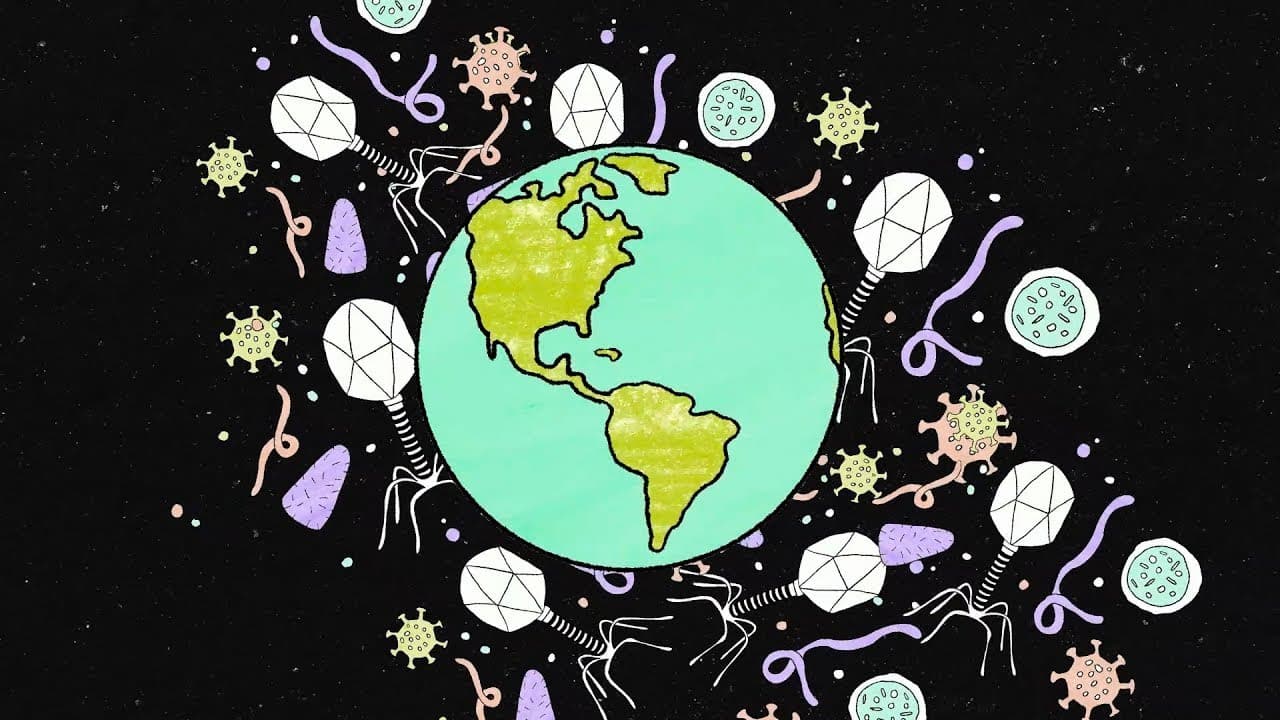
The final video, How Can a Pandemic End?, describes how pandemics have ended through natural selection or containment. Vaccines, it explains, are shortcuts to immunity. "A single person can be immune, but immunity involves all of us," Baxter narrates.
 A frame from How Can a Pandemic End? Image: American Museum of Natural History video
What Are Vaccines and How Do They Work? traces vaccines to inoculation practices that began hundreds of years ago in Asia and Africa. It notes that research behind mRNA vaccines stretches back more than 30 years. "People must have access to vaccines and the education to move from hesitance to confidence," the narration says.
 From What Are Vaccines and How Do They Work? Image: American Museum of Natural History video
What Tools Do Scientists Use To Study Viruses? came out on Jan. 13, 2022. Seven weeks earlier, the World Health Organization had named Omicron a variant of concern. Of the SARS-CoV-2 genome, about 30,000 letters long, Baxter narrates, "It took less than 48 hours to decode." What Is a Virus? tells viewers that most viruses are harmless to humans, and that emerging ones are "not so much new as new to us."
The Webby Awards founded the Anthem Awards in 2021 with partners including the Ad Council, GLAAD, the NAACP and WWF. The International Academy of Digital Arts and Sciences chose this year's winners from nearly 2,000 entries from 43 countries, according to its announcement. Other winners included UNICEF, NASA, Sesame Street and Doctors Without Borders.
The series won in Special Projects, an Awareness & Media category for work that raises awareness of a health cause. The museum's award entry says it was made with the New York City Department of Health and Mental Hygiene for educators, families and young people. It came in English, Spanish and Mandarin. The entry credits eight museum staff members, along with Baxter and fellow narrators Mónica Feliú-Mójer and Meiying Wu.
The entry reports about 40,000 page views for the series' online hub, against a goal of 15,000, and more than 40,000 video views. The museum, founded in 1869, added the videos to its online courses and educator resources. By October 2026, the four English videos had about 80,000 views on YouTube.
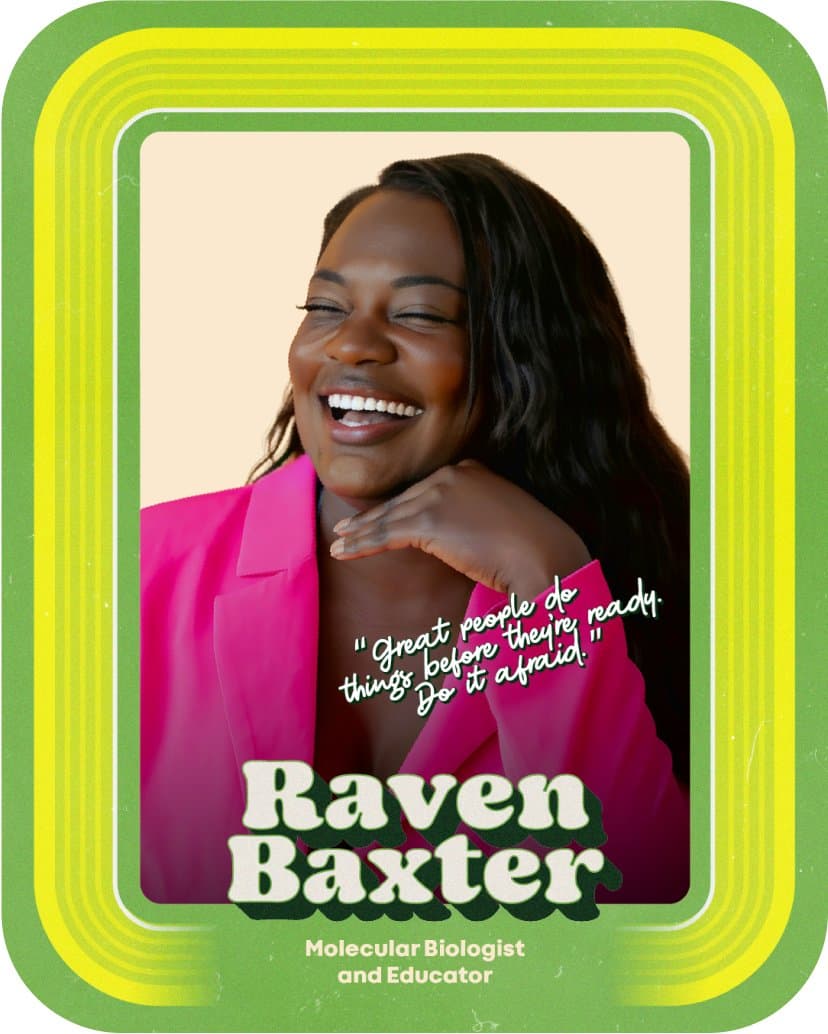
Baxter, a molecular biologist and science communicator, has made science videos since 2016. Her doctorate, from the University at Buffalo, examined science communication through hip-hop.
The series is on the museum's website and on Baxter's partnership page.
https://www.youtube.com/embed/wP7OvNfCT68