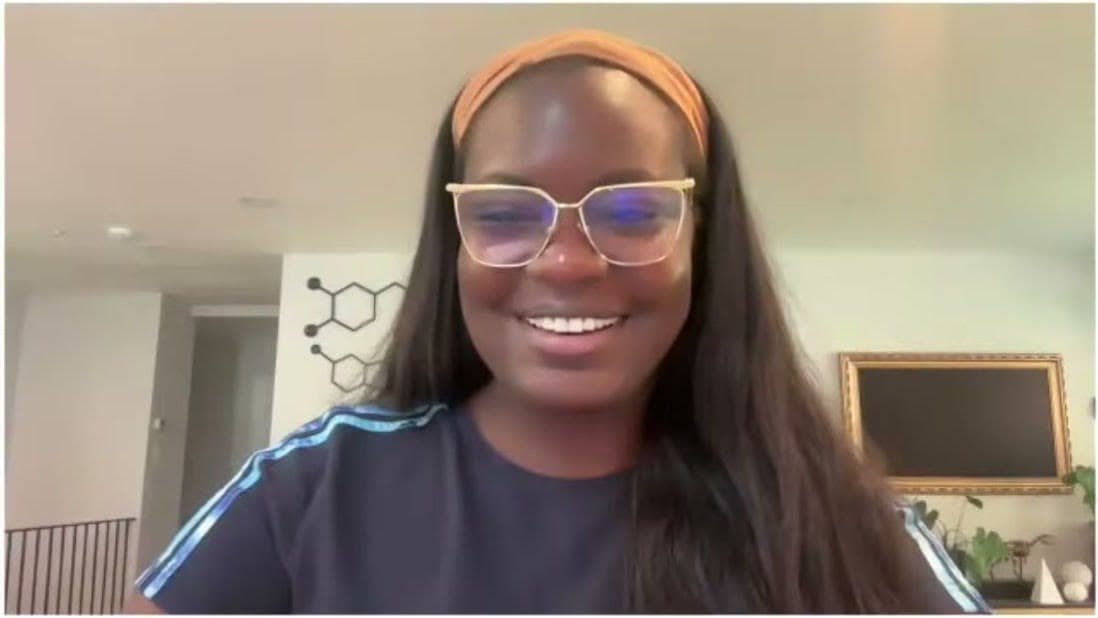
Dr. Raven Baxter gave the closing keynote of Science Talk '26 on March 27, 2026, in the Emerald Ballroom of Portland's Tiffany Center. The hybrid session was the last of the Association of Science Communicators' 10th conference.
The two-day meeting ran under the theme "WAYFINDING: Charting a Decade of Dialogue." Renée DiResta gave the opening keynote on March 26. Baxter closed the program in the final hour before the closing toast.
The conference set out to address "AI disruption, eroding public trust, rampant misinformation, and pressure to do more with fewer resources," according to its listing on informalscience.org.
A Pew fact sheet from November 2025 found that 21% of U.S. adults regularly got news from news influencers on social media. Among adults ages 18 to 29, it was 38%.
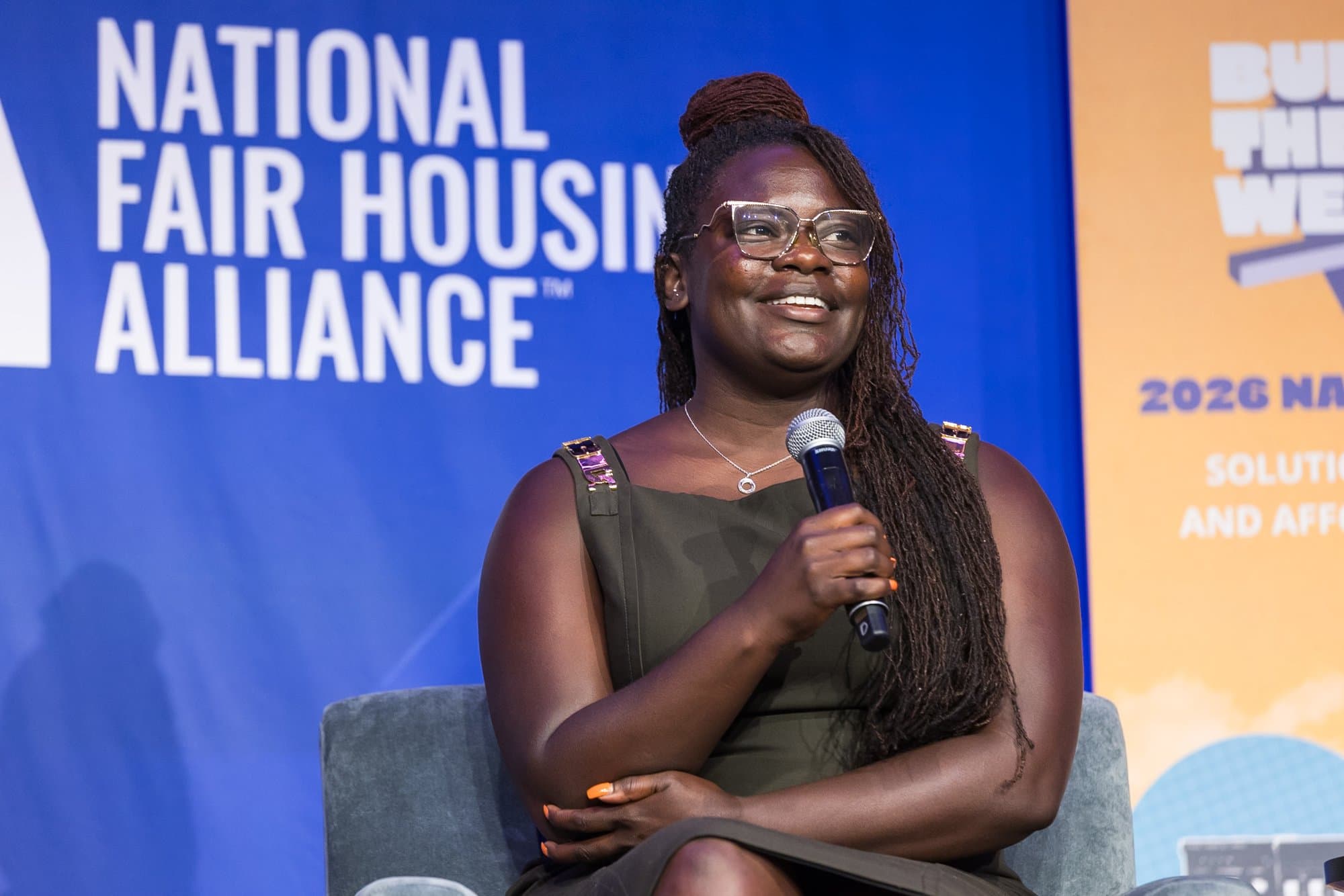
In an interview the association recorded in February, before the conference, Baxter said trust comes before persuasion. "We all have a basic human need that is a sense of belonging amongst other humans. Trust is a huge part of that," she said.
"People go in to some conversations thinking that the goal is persuasion when the goal really should be to build trust and community," she said. "We are not here to persuade people to believe what we want to believe."
Television public service announcements no longer reach people who have stopped watching TV, she said. Communicators, she said, have to be open about the scientific process. "We might have one answer today and another answer tomorrow because the technology evolved or we did more research. It is a journey of discovery."
She focused on science communication on social media. "I believe that there is a difference between being a science communicator and a science influencer," she said. She said she is working with the association on a new ethical framework for science communication. The field has yet to define what it means to be an ethical science communicator on social media, she said. She is the founder and chair of the association's Science Communication Consortium on Ethics.
She also called for STEM degrees to require course credits in communicating science, public engagement and ethics. "All of those things should be a requirement of STEM degrees," she said.
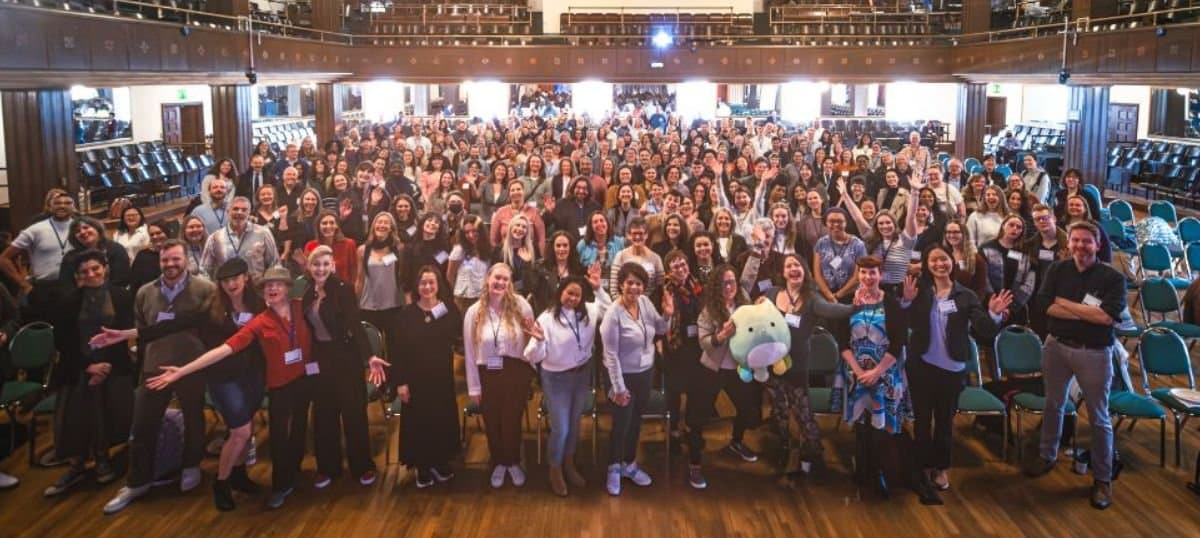
The association began in 2015 as Science Talk Northwest. Scientists, communications professionals and researchers started it to improve science communication across disciplines and with the public. Its first conference sold out in 2017 at the Oregon Museum of Science and Industry. It became Science Talk in 2018 and moved to the Tiffany Center in 2019. In 2022 the meeting went hybrid, and the group took its current name. The volunteer-run nonprofit returned to Portland for its 10th conference. More than 400 people attended in 2025, according to the conference listing.
In the association's April newsletter, President Alli Coffin wrote that the conference drew "record attendance." She wrote that DiResta's opening keynote changed how she thinks about science communication's role in social media and AI. She also named "Dr. Raven Baxter's interactive closing keynote."
Baxter, known online as Dr. Raven the Science Maven, trained in molecular biology before her doctorate at the University at Buffalo. She has sat on the association's board of directors since September 2025.
The keynote was streamed to registered attendees and has no public recording. The association's conference page posts the program, and its pre-conference interview with Baxter is on its YouTube channel.
https://www.youtube.com/watch?v=SldJZKZgItI