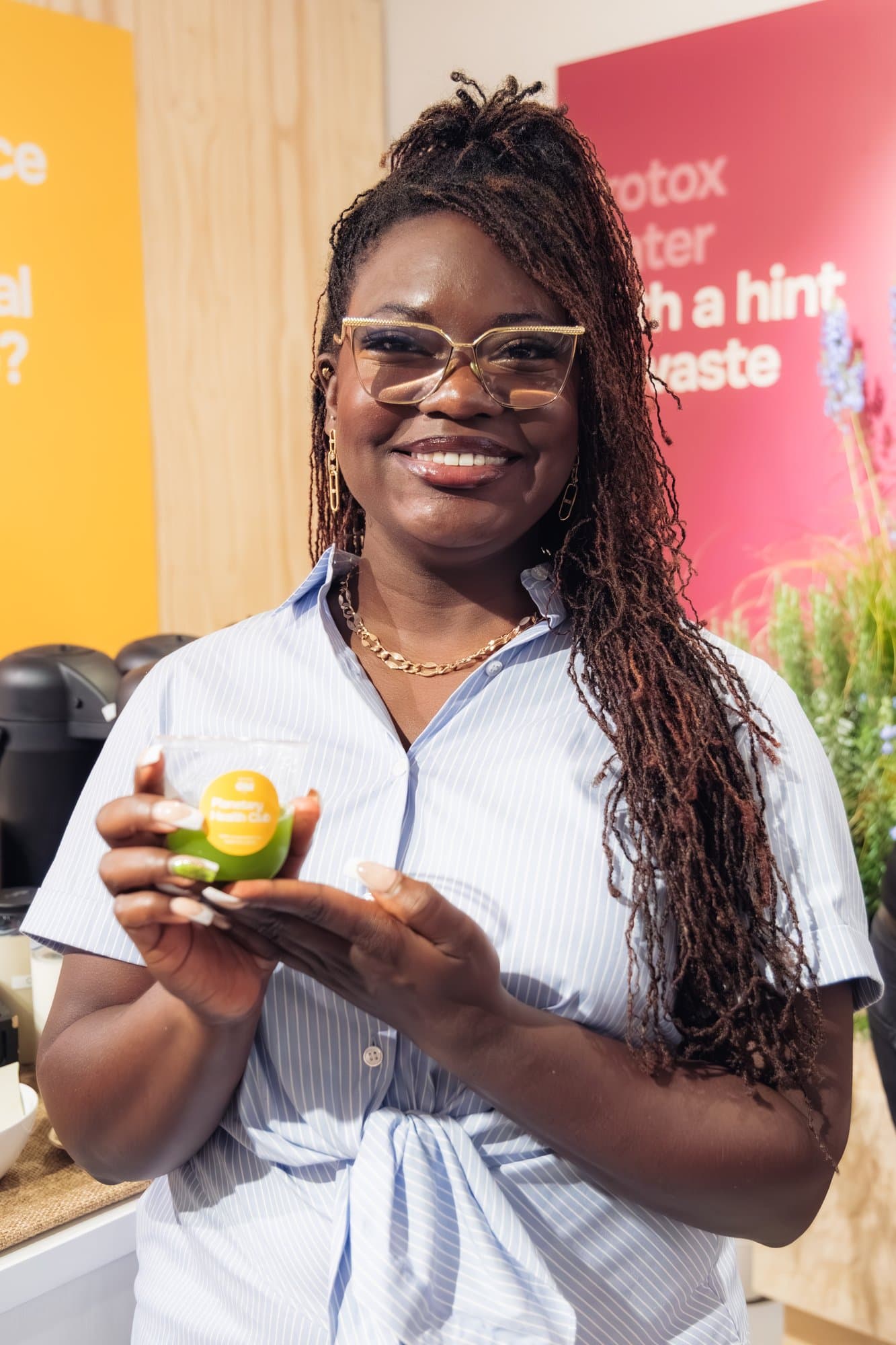
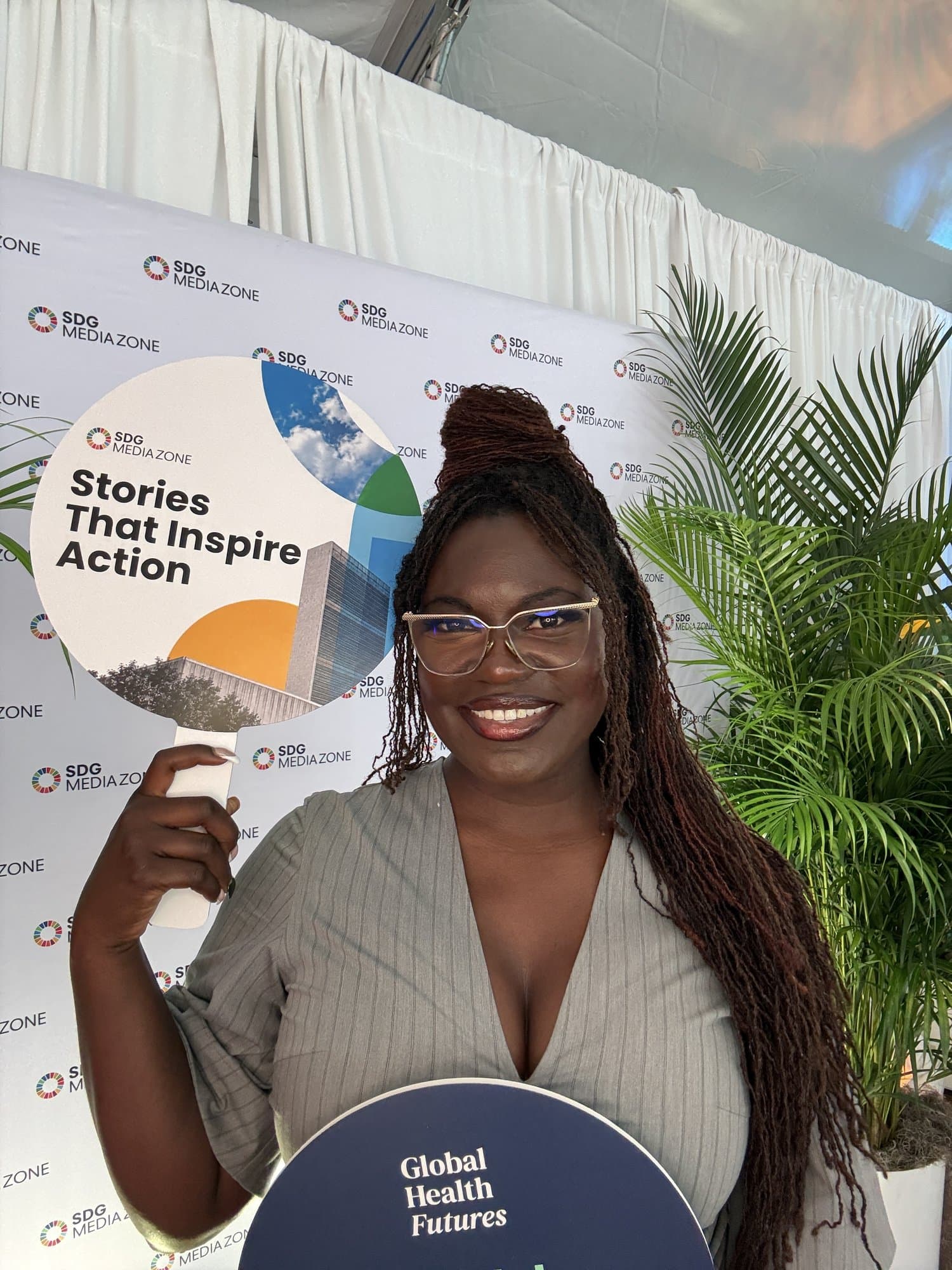
Dr. Raven Baxter argues in Nature Microbiology that the information ecosystem around science has fallen out of balance, much as a gut microbiome does in dysbiosis. Her Comment, Dysbiosis and succession in the scientific infobiome, ran June 1, 2026, in the journal's focus issue on science communication.
"I have come to think of this information landscape as a living ecosystem, and I call it the infobiome: an ecology of voices, platforms, and content where knowledge and misinformation share the same growth medium," Baxter writes.
Trust in scientists has recovered only partly, she notes. Pew Research Center reported in January that 77% of Americans had confidence in scientists, one point above 2024 and below 87% in April 2020. In March, a Harris Poll survey sponsored by Bayer reported that 80% of Americans blame social media for false or misleading science and health information. Social media was still the most common primary source of that information, cited by 32%.
Baxter writes that threats to this ecosystem existed long before social media arrived. She cites research showing that tenure and promotion processes can discourage public engagement. "Academia has functioned as a selective medium, culturing scientists who thrive in journals, conferences and grant panels while the public-facing guilds atrophy, creating fragile, low-diversity ecosystems," she writes. "Social media then arrived like a broad-spectrum antibiotic on a gut that was already depleted." A Global Witness survey she cites found that 41% of climate scientists harassed online had become less likely to post on social media.
In a 2024 Pew survey, 89% of Americans called research scientists intelligent, but only 45% called them good communicators. "People want to trust scientists. Are we as a scientific community meeting them where they are?" Baxter writes.
She met these barriers herself. In drug discovery, she writes, she proposed an outreach program for children near her lab, and leadership called it "out of scope". A biology doctoral program later turned her down because her focus on public engagement was, again, "out of scope". "Many of the barriers keeping scientists out of public life are mechanisms that leadership can choose to enforce or choose to dismantle. It is a choice," she writes.
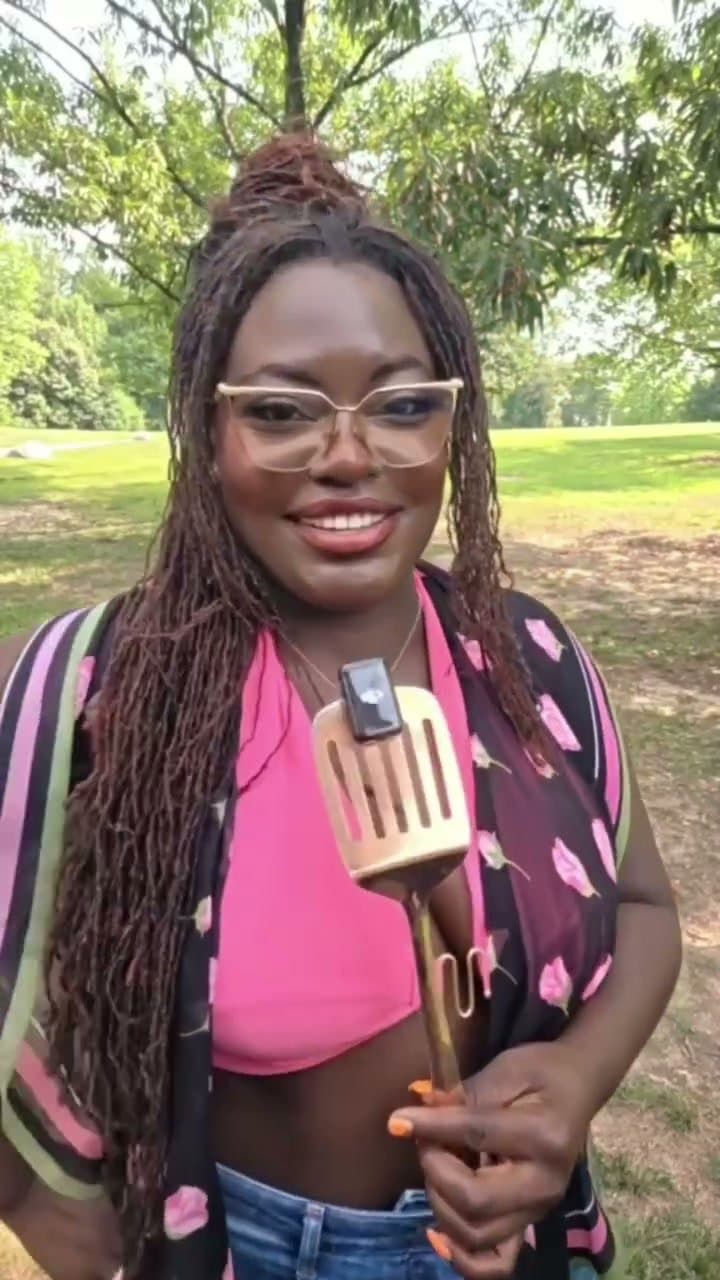
Her remedy, she writes, works on several fronts, the way clinicians treat gut dysbiosis. She calls for more diverse voices and mediums, stronger communities and better training. As one example, she points to her own music videos about science, including "Big Ole Geeks". Framing science communication as individual effort, she writes, "misses the ecology of the system". The journal's summary of the piece ends, "Scientists, institutions and platform builders should act together."
 The June 2026 focus issue on science communication, which carries Baxter's Comment. Image: Laoise Mac Gabhann, Nature Microbiology
Nature Microbiology launched in 2016. Full-time professional editors make all editorial decisions at the monthly, online-only journal, according to its website. The June issue also carries a World View by Luis Quevedo and a Q&A with Katherine Wu of The Atlantic. Its editorial says Baxter "shares her experience as a YouTuber and researcher".
Baxter is a molecular biologist. Her Ph.D. research at the University at Buffalo studied culturally responsive science communication through hip-hop.
The Comment appears in Nature Microbiology volume 11, issue 6, pages 1468 to 1470. Read it on Nature (DOI 10.1038/s41564-026-02366-8) or in a free view-only copy.