
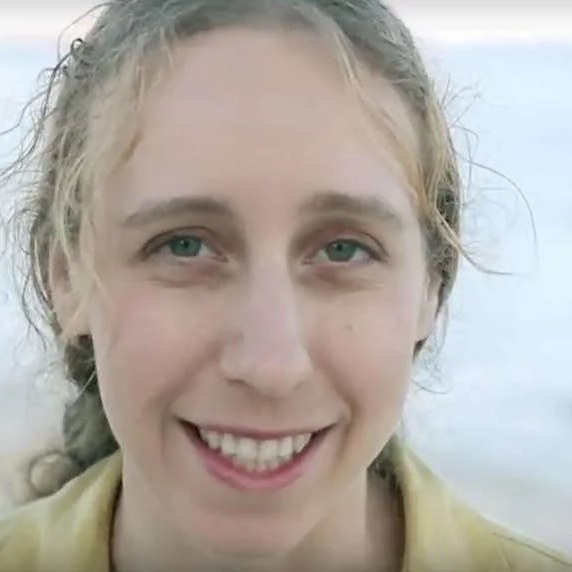
[0:00] There are so many different paths that you can be, for example, a marine biologist. Like most people that I know who are marine biologists do not have the job title marine biologist. And I think that people who are like advising people about careers get a little bit put off by the fact that there's very few jobs in marine biology.
[0:30] I know you've had a chance to speak with Autumn, who is the manager of the podcast, and she's amazing. She was so excited that you were up for this. I was so excited. This podcast is like all about the intersections of science, the practice, but also the life of being a scientist, but also like how science intersects with our own lives as just people and humans and how we understand the world around us. So, yeah, I'm a I'm a molecular biologist and science communicator, and I've developed a platform breaking down complex science and making it accessible. I use fashion to communicate science. I use music just like you using music to communicate science.
[1:27] I make science, hip hop and rap songs that have went completely and insanely viral that I'm super proud of. Probably what I love the most is just the community aspect of what I do and drawing in as many people as possible into the science field. And I like to tell people my job is to make the biggest science party on the planet. And my job is just like to be a host and make sure that you feel welcome. Science is for everyone. Exactly. And so, like, it's just super rewarding doing stuff like this to help people realize that. And also, it's fun to do this as from my perspective as a scientist.
[2:04] Like, I'm not very rarely on the show where we actually talk about my area of expertise. I'm all about diving into the stuff that I have no idea about. So, you were recommended by your husband who follows me. And I was like, I need someone who can talk about dolphin sex, like, all about it. And he was like, wait, my wife. So, we looked you up and I was like, yes! I was like, every day, like, up until the day that you at Autumn finally spoke, I was like, did you talk to Heather yet? When are you talking to Heather? It could barely contain my excitement because when I realized that you not only were a dolphin expert, but, like, you make marine music, my mind was just like, I must know this person.
[2:51] So, thank you so much. I'm, like, I'm trying not to jump out of my chair. I have ADHD really bad and, like, hyperactivity. So, I'm just like, eh. But we've had a recurring theme throughout the episodes of the show, trying to answer questions about dolphins. They keep coming up. It just keeps coming up. Dolphins. We were talking about insects. Somehow, we got back to dolphins. We were talking about birds. Then we came back to dolphins. And I'm like, dude. Okay. And so, the question really came to be, what are dolphins' sexual behaviors? I learned from another marine scientist that dolphins are freaky, that dolphins are, you know, that they masturbate.
[3:32] I had no idea. That blew my mind. That they're, like, polygamous. So, those are the types of questions that we're going to answer and more. Oh, yeah. But I, first and foremost, I would love for you to introduce yourself to our audience. Like, tell us who you are. What do you do? How did you get to be in this field? And, yeah. Things that we need to know about you to get this party started. Well, I'm Heather Spence. I am a marine biologist and a musician. And it was actually the music part that led me to the marine biology part. So, I've always been interested in a lot of different things.
[4:10] And I pride myself on having followed an academic and career path where I actually get to keep doing all of the things. And I love to tell people, it's like, yes, there were lots of, there's lots of people telling me, no, don't do that along the way. But I guess I was a little bit stubborn. And I like to be a proponent, for those of you out there who want to do all the things, you can do all the things. Don't let anybody tell you no if that's what you want to do. Yeah, so I super into music, I played the cello and the piano, and I really enjoyed kind of figuring out how music worked.
[4:46] And so, really enjoyed feeling like, okay, here's something like, wow, that really makes me feel a certain way. Why? How do I recreate that? Can I, like, okay, well, let me, let me, let me play that out. Okay, well, what if I change this? Do I still feel that way? Do I feel a different way? So, it was that kind of thing that kind of got me into composing. So, I loved all that stuff. Well, like, science was cool, too. And, but I went to, I went to college on a music scholarship. But the music scholarship didn't require me to major in music. So, I did all this music stuff.
[5:17] But I also really wanted to understand, like, how does sound work? And so, I did, I took a lot of science classes. And I took biology and physics and learned about, you know, animals. And ultimately, it was actually my, my senior year. I was working on my senior project. And that was, that was the moment when I, I did my senior project in marine biology. And that was the moment. That was the aha moment. It was like, oh, underwater sound. Sound travels so well underwater. It's absolutely central for marine organisms. This is great. I can combine my passions and go to the beach. My life's all figured out.
[5:57] That's real. I love that. Wait, so, I heard that you had an initial interest that's music and still is. Yeah. So, tell me again, like, where did the marine aspect really come in? Like, would you say that you had an equal passion for music as you did for marine science? Or, I guess, when did that come into play? I mean, people here are marine biologists. And sort of, like, you think, okay, marine biologists, you definitely, like, as a kid, were like, all I want to do with my life is study dolphins. And there are many people like that. And you should go do it, by the way.
[6:32] Don't let anybody tell you no. Okay, it's not that I didn't like dolphins. Like, they were cool and all. But I was more, like, the kid who was, like, looking at, you know, the little bugs on the sidewalk. And I, like, stared at, I think I once stared at a crab going around in circles for, like, three hours. I mean, you know, I just, like, thought, you know, like, I, like, the environment and animals are so interesting. But I hadn't really thought about that as, like, oh, this is going to be my life. It was just kind of following what I found interesting. I absolutely love that.
[7:08] I could totally relate. And keep going. This is so cool. See, now I want to ask you questions. Go ahead. Yeah, let's do it. Go ahead. But when did you know that, like, you wanted to study, like, things that you couldn't see? Like, please look. Ooh, that's a great question. Because I honestly started my journey not wanting to study things I couldn't see. I was actually very irritated by that. Um, but so I started out wanting to be an astronaut. But then I went to space camp and found out I was afraid of heights. Oh. Okay. Yeah. But then at space camp, they told you about all the other careers that, like, help astronauts go to space.
[7:49] And so, like, there's geologists and physicists and, you know, communications people and all of this stuff. And I said, oh, okay. Well, what about, like, by that time Al Gore was, like, doing the Inconvenient Truth thing? It was, like, early 2000s. I was like, well, that sounds kind of important, right? Maybe I should do something about that, like, climate change. Yeah. So I decided to go into environmental studies. Failed out of school. My freshman year, I was 16 and partying. And I had no business being away from home. But I learned about the human side, which is so important. Social skills were on 10, 20, if you will, you know.
[8:28] So, but when I went to go back to school, because I had to go to community college and then re-enroll somewhere close to home, because my mom was like, you're never leaving again. The school I went to didn't have environmental science. And so I'm like, well, great. What do I do with my life? Majored in biology, which was the closest thing I could get. Genetics was a required course. And I loathed it. Did not want to do it. What? You're not into the planet squares? Pundit squares? Hell no. I wasn't into it. All right. All right. Okay. Well, okay. Pundit squares? No. But when, like, I had a really great professor, Dr. Gregory Wadsworth.
[9:06] Amazing genetics professor. He kind of spoke of genetics as a language. And, like, once I realized that it was a language that we all speak, even, like, frogs speak it, plants speak it, bacteria, people, dogs. Like, it's all something that our bodies can understand, but we're all so different. I was like, yeah, I like that. And so I went down that rabbit hole. Long story, but I tried to make it short. Nice.
[9:37] Yeah. Yeah. I also love that we have this, like, I'm all about, like, the non-standard, like, academic and career paths. Because I feel like, especially the sciences, there's so many people out there, like, telling you, like, this is the way you have to do it. And, like, no, it isn't. Like, maybe. It might be. Like, I'm not saying don't do it that way if you want to, but there's lots of ways you can do it. Okay. Yeah.
[10:00] Absolutely. That's going to be a key message of this podcast is go with the flow. Oh, my gosh. That's so on brand for this Marine episode. Go with the flow. Whatever floats your boat. Yes.
[10:15] But, yeah, I ended up using music as a vessel to share science and communicate it because when I was in high school, I had a bully who wanted to fight me and, like, fist fight me, like, take me down. And I was like, I don't really do that. But I will make a diss track. And so I made a diss track against my high school bully, put it on my MySpace. And if you can remember MySpace, you could put your. Oh, yeah. Totally had a MySpace. Yeah. Yeah. And we could put whatever song we wanted on the page and it would play. And so I put my diss track as my MySpace page song and it went viral across the school.
[10:50] I almost got suspended by the principal. And basically, I took my bully down with a diss track in high school. And then I realized I was like, dang, music is really powerful, right? Like, this person wants to beat me up. It's amazing. They wanted to beat me up behind CVS Pharmacy across the street. I was like, well, a diss track saved my life. Love that. Right. So I said, why not tie science in with that? Like, there's science has really important messages that everyone needs to know. And I mean, they won't listen to us up on the soapbox. So but they'll they'll shake their butt to some trap music.
[11:28] Yes. If I throw some science facts in there. Great. It's a win. Total win. So, yeah, that's what that's what we do. But back to you. Back to you. I love the parallels. We have so much. Oh, yeah. Yeah. We should definitely do like a musical collaboration. 100%. I listened to your music. It's freaking awesome. Like, it's good shit. Yeah. Like, I would study to that. I would I would write papers to your music. It's it's really freaking cool. I telling you, I was like shift shaking, shivering with excitement. I could not wait. Oh, yeah. But what do you do now? Like what? You're a ball of talent, right?
[12:11] You're a scientist. You're a musician. Like, who is capable of taking all that talent and giving you a career? Like, what did you do? I just kind of did what I wanted. Right. And so then if what I wanted didn't exist, which it usually didn't, then I just kind of had to make it happen. And that's I think that's the thing. Right. So if I wanted to pursue all of I want to integrate all of the things. But sometimes the structures that we have in academia and in jobs don't necessarily let you integrate all the things they like. You're crazy. So I do kind of do this thing where depending on the situation, I'll introduce myself like, oh, I'm a marine biologist.
[12:55] Like, oh, I play the cello or whatever. But really, I don't put those things in the different compartments in my head. I'm just me. I have these things. That I do. For science, if I'm doing underwater recordings and listening to that, I don't turn off my musician ear training. I've been writing music. Like the things that I understand about how sounds work scientifically inform how I'm writing the music. So it just all kind of works together. Tell us about sound underwater. There was a class that I really wish I took when I was in college, and it was called the physics of sound. And it was actually a required course for those who are majoring in like sound audio engineering and production.
[13:43] Yeah. And it was in the physics department. So I always wondered, you know, sounds are waves. I know that decibels. I know what decibels are. That's really all I got. I know that sound needs matter to go through. That's why there's no sound in space. Yeah. Because it's an empty vacuum. I think you just described it. I would say I was still mind blown. I went to a marine science conference last November. I learned that coral reefs make a lot of noise. And I said, well, what do you mean by that? And so I pulled up the video on YouTube and it's like bubbling and like clicking and stuff.
[14:22] Can you hear it with your ears? Or do you need a microphone? So I think you've gotten like really at something very interesting here, which is that you can hear it with just your ears. But think about how people go and experience the underwater environment. Okay. You might be snorkeling. Then you've got your ears like right at the level of the water. You're mostly hearing like the air and like the water slapping against your ears. Or you're going scuba diving. What do you hear when you're scuba diving? You're hearing your own bubbly breathing and those of the people around you. So it's kind of hard to focus on the underwater sounds and just listening to them.
[14:59] Because like it's important to continue to breathe. Right? Like that's a pretty major principle in scuba diving is keep breathing. Fun fact, breathing is important. Yes. But now free divers sometimes like get more of a chance to listen. Yeah, the person that told me this was a free diver. Yeah. So you can also just stick your head underwater and listen, eventually breathe. You can hear these sounds just with your ears underwater. Our ears are not really adapted to underwater sounds, but you can still hear things just fine. Figuring out where the sounds are coming from can be difficult because sound travels faster in water than it does in air.
[15:39] So that's a density thing. Soundways have to travel through something. Sound isn't a ball that like comes out of my mouth and smacks you in the ear, right? It's a wave of pressure. The little molecules of air and water aren't the things that are traveling, right? It's how compacted they are together and that compactness or how far apart they are. That's what's traveling. That pressure wave will travel faster in something denser than something that's less dense. So water, denser than air, travels faster in water. And when you also think about the underwater environment, visibility underwater, not that great generally, right? Light doesn't penetrate all that deep.
[16:23] Visibility can be kind of tough, but sound is traveling so well. And so it's just so amazing how these underwater ecosystems have sound as the central way that they operate and connect. So do those deep sea creatures make sounds? Sure. Yeah. Yeah. And it's also cool because for every sound that we kind of like know where it comes from, there's probably a gazillion of the sounds that we're like, we have no idea what this is and where it came from. We know some of the main contributors. So like in coral reefs, it's really kind of all about the snapping shrimp. So you mentioned- I'm Googling what this looks like.
[17:07] Oh, oh, they're so cute. They're about the size of your pinky finger. The little shrimp and they have a big claw and a little claw. Look at those things. You know, your first thought wasn't cute?
[17:25] It is cute, but it's like been lifting weights heavy on one side. Like, it's only been right arm day for like five weeks. They're a little symmetrical. I definitely see the appeal. And I see a very cute cartoon of one that makes me really want to be a friend. See, see, there we go. Right. So they're, so they are cute. So the big, that big claw is actually really important for the, that's how they make their sound. So they, it's really cool. They, so it's a claw. So they shut it really, really fast. So fast that they create a vacuum bubble in the water and the sound comes when the bubble bursts.
[18:05] Yeah. So they're not like snapping their fingers. They're creating this vacuum bubble in the water that bursts. And that's what makes this popping sound. And so when you have a whole lot of them, they make this sound that together is like this crackling. Some people say it sounds like something frying in a pan or like static. It's quite loud. It's so loud that in some places you can actually hear it above the water, but people usually don't, you, you know, people who have gone snorkeling or whatever, they've probably heard this sound, but they didn't know what they were hearing. Shallow waters worldwide. Got these little, there's a little snapping shrimp there popping up a storm.
[18:46] Wow. So they're pretty universal. Reasonably warmish waters. Would you say there's a difference between freshwater and seawater sounds? So, so each kind of habitat is going to have its own kind of, you know, soundscape signature, depending on the critters that are there. What are you hearing when you're hearing an underwater soundscape? Well, you've got the animals and some of that is going to be them producing sounds with some part of their body to communicate or whatever. Then you also have other kinds of things. Like you might hear sounds of them eating, by the way, manatees eating, like kind of a funny sound. It's just like, really?
[19:30] What does it sound like? It's just this big crunching. Underwater? I'm just like remembering, like listening to some manatees, like chowing down. It's like very loud. But like parrotfish, like people talk about like parrotfish, like, you know, when they're nibbling, like that makes like a crunching sound, stuff like that. But also like movements could make a sound. And then you also expand to other things. So there are physical things that you can hear as well. So depending on where you are in the water column, like, you know, at the surface, you might hear some of the slapping of the water. You might hear rain, you know, on the surface.
[20:04] Like that sound you can hear at some deeper depths as well. So you can hear kind of like things about the weather patterns and other things like that. And then you also have some things which are artifacts of the recording process. If there's a lot of current in the water, you'll get that sound as well, unless you shield it like in air. And also, sometimes critters are curious about microphones underwater and they want to come up and check it out and bump into it and stuff. So you might hear some of that as well. You said that there are animals that communicate via sound underwater.
[20:43] So what animals are doing that? I know from Finding Nemo, definitely whales. But not just whales, right? Okay. So, I mean, if you think about any animal that needs, that its survival depends on another animal, like there's going to be some kind of communication there. How well we understand it, that's another thing. I mean, I think part of why we're so all about the dolphins and the whales is because they have a lot of similarities to us and their socialness and the types of sounds that they're producing that we're like, okay, we kind of get that. How are shrimp communicating with each other? That feels a little more alien.
[21:24] They are communicating with each other, but how exactly that's happening is a little more mysterious because we have trouble relating to that. Fish communication is a huge thing. There's a lot of really interesting stuff on fishes and how they communicate. And I will have to say, you know, sex is a huge driver of communication, right? It's like, if you want to get it on and you want to let them, you know, somebody know, usually it's the males who want to let the females know, like, hey, I'm over here. I'm horny. Then you're going to make some kind of sound to let the ladies know you're available.
[22:09] Even the fish? Oh, absolutely. Oh, totally the fish. Oh, yeah. Oh, yeah. Yeah. Like, there's this fish, the midshipman fish. It's the they make this maiden call. It is so loud that, like, it bothers, like, coastal residents. They're like, what is this? What? It's like, what is this fish called? It's just some horny fish. What the heck? What's the name of the fish? Give him a little, you know. Midshipman fish. Look at its face. Oh, my gosh. What does it sound like? Things got a huge mouth. I mean, it's loud and to us, maybe not all that tuneful or pleasant, but the lady fish must like it or they wouldn't do it.
[23:03] I mean, yeah, I guess if evolution has decided that that's going to be the thing, so it's just going to be the thing. Oh, my gosh. It says that they can bury themselves in sand or mud during the day. Oh, well, I guess if they're just right on the water, then making all that noise. That makes sense. Huh. Yeah. Okay. Mating calls. Big deal. So, question. Like, to my knowledge, fish, they lay eggs, right? The reproduction is happening outside. Yeah. So, but that is not just, it's not passive. It's active. So, is it? Yeah. Okay. So, they're not just like releasing eggs and then sperm and they just so happen to meet like plant pollination or something.
[24:00] It's targeted, right? So, like, they choose it. Well, there's a whole variety of ways that fish have their sexual practices. I think something that'll illustrate it a little bit, they're not random. So, they are kind of picking who's, you know, the lady fish is like, okay, who's going to fertilize my egg? There are some really interesting examples out there of even, like, the trickery and the males. And so, like, there's some males that will pretend to be females so that the other male doesn't get all jealous. And then they just, like, sneak in and are like, okay. Yeah. How do you pretend to be a female?
[24:43] How? Hmm? Are they marked differently or is it behavior? It's behavior, but also, like, life stage. So, I'd have to go back and check. I'm trying to remember there's this one species. I think when they're younger, they, like, pretend to be the female. And then when they're older, they're, like, more established. They can actually compete as a male. That's really interesting. I have a question about the eggs. Okay. So, like, in humans, we ovulate. Do fish ovulate? Are they ovulating all the time or do they have, like, storage of eggs and they just release it when they want to have sex? So, that's interesting. I think that they just, I mean, it's kind of like any other egg thing, right?
[25:34] It's like you make all the eggs and then you do it all at once. Because, like, with us, we're more about, like, we're going to have, like, one or two babies, right, at a time. And then we just put all of our resources into them. All our resources. Yes. But with fish, it's more of, like, a numbers game, right? And so, it's still on a cycle, but, you know, there's a lot more of them because they're, like, kind of like, all right, well, a lot of you aren't going to make it, so we're going to make a lot of you. And hopefully some of you get to go on and have your own lovely, get to be serenaded by some other handsome fish.
[26:22] Amazing. And then, in the case of dolphins, which are mammals, I think a lot of people forget that. And even me, it's hard for me to look at a dolphin and be like, one of us, one of us. But, like, but, yeah, like, one of us. Yeah. Okay, to be fair, like, it is kind of ridiculous. It's like, you breathe air, and you live underwater, and we think dolphins are smart. Like, what are you doing? That seems kind of ridiculous. But, okay, go on. Go on. Just saying. I mean, do you have hot takes on dolphins? Like, first of all, dolphins as mammals means that they have, first of all, what's a mammal?
[27:10] Let's just start from the basics. You want to go into the boobs thing? We can do that. I mean, yeah, like, you know, mammals, mammals, right? Like, they got, like, the mammaries thing going on, right? So, yeah. So, they, I think, I think that the key, like, you know, you learn all the other stuff, like, oh, they have hair, and, like, warm-blooded, and that stuff. It's like, yes, but the milk thing is pretty, pretty central to the mammals. Yes. And dolphins have that. Yes, they do have the nipples.
[27:49] Yeah. So, I'll make this up. Well, let's do a quick overview of the dolphin anatomy. So, they're very streamlined animals, because as noted, despite the ridiculousness, mammals breathe in air, live in underwater. Kind of silly, but they're very streamlined for their underwater living. They don't really want to have big bosoms hanging out and damaging their airflow. Same for the guys. They don't really want their junk hanging out and getting in the way of them being able to swim fast. So, they have them all neatly tucked up inside. They have these slits. Okay. Think about, imagine a dolphin. And imagine, okay, think about their body. All right.
[28:34] And then think about where you might imagine that they're, like, gentlemen and lady parts might be. That's where they are. Now, the boobs are actually moved into that same region, so they don't have the boobs up top. They have them down below by their vagina. Yeah. Yeah. Okay. But, you know, it's sort of practical for them to have all their stuff there and a little slit. So, the males, they have their, like, penis slit, and then they have their anus slit, like, right after it. Totally forgot about that. Yeah. That's fair. I mean, so, and then for the females, they have just, like, one genital slit, and then they have, like, their boob slits on the sides of that.
[29:22] So, like, if you want to look at a dolphin and you want to know if it's a boy or a girl, you look, does it have, like, a long slit and two slits on the sides? Then that's a girl. And if it has, like, an exclamation mark kind of looking slit pattern, then it's a boy.
[29:40] And that's the only way you'd be able to tell from just looking at a dolphin, just, like, in the water. It's the most reliable. Great.
[29:52] Well, if we ever get a hold of a dolphin, we'll report back. If you ever get a hold of a dolphin and you want to know, you just kind of look, yeah, just kind of look underneath. You can... Okay. Yeah. That's really interesting. So, dolphin birth. Do they give live birth? Yeah. Do dolphins have periods? So, yeah. No, that's interesting, because I might have to do a little back-checking on that and get back, because I feel like I've read something about that, but it's been a little while. I know. I'll Google it just so that the FBI knows it's for science. Dolphin. Yeah, but I'm trying to remember, like, does it actually come out?
[30:37] No. Okay. No, they don't. Yeah. Like, okay, so they bleed when they're giving birth. But they're not, like... Yeah. Okay, so it's just during labor. They don't have anything other time that they... I mean, but there's multiple parts of that, right? What I... I wish... This is another thing that now I'm wondering about. Is anybody studying their, like, hormonal cycle? Because there's, there's, there's sadly, like, not enough research on female animals, because it's like, ah, they're too complicated. Are you kidding? Like, are you serious? I mean, we can do a whole other sidetrack about, like, medical research and how it's done on male rats and mice.
[31:28] I'm here for the segue. I mean, that is a recognized and really alarming thing that, that happens, yes. Because they're like, ah, well, the females are too complicated. So you've got all these hormones and cycles and stuff. Yeah. Yeah. I'm reassuring that they're, like, really... Yeah, we're gonna, but we're gonna give the medics in to everybody, because we know men and women are the same, right? Yeah. Nope. Oh, boy. Okay. Well, we gotta look into that. Jeez. Yeah. Okay, so dolphins. Yeah. So we, so then we, are you saying we know more about male dolphins? Okay, well, here. There's really two things that people need to know about dolphins, right?
[32:24] They're super social. Okay. And they're super horny. Right? Hmm. And those things kind of go together. And, yeah. I mean, I think, I think it's the socialness that makes, like, us humans, like, really identify with them. Because they're, they're, they're very social, which makes them kind of, like, curious about, you know, what's going on. And they have this amazing memory for, like, who said what to who and who's fighting with, you know, oh, so it's fighting with this other dolphin. So I'm not gonna tell them that I talked to, like, they have this whole crazy network of their social interactions going on. It's that deep?
[33:15] Oh, it's really, yeah, it's really wild. Yeah. You'd think we had more movies about dolphins. Well, like, dolphin drama, social drama. And you would also think that for a creature that keeps all its, you know, sensitive parts all tucked up inside, and they have these little, they don't even have hands to do anything. They've got these little flippers. You'd think they'd be kind of, you know, boring, sexually. It's like, they're like, oh, we're taking on the challenge. You're not gonna let me reach down there? Somebody else to reach in for me. You know, let's dive in, if you will, into that. Where dolphins are doing each other favors?
[33:58] Sexual favors? Oh, all the time.
[34:05] And maybe, maybe I need to make something also a little clear. So, when I say that there's this slit, and the penis is inside, when the penis is erect, it is outside. Ew! No! Dolphin penises? Dolphin penises? Dolphin penises? Dolphin penises? Dolphin penises? Dolphin penises? Dolphin penises? Dolphin penises? Dolphin penises? Dolphin penises? Dolphin penises? Dolphin penises? Dolphin penises? Dolphin penises? Dolphin penises? Or curly? Oh, no! That's like, the worst thing you could have said! Like a curly fry? Like the whole curl around things, which means they can curl around things, or each other's. Okay, so, are the female dolphin insights curly? I mean, the female dolphin, like, you don't go looking up, and personally, I have, let me just make this clear, while I have witnessed dolphin sexual behaviors, I have not taken part in the dolphin sexual behaviors, so if you want to ask me, like, real intimate details like that, I'm going to have to tell you that I have not, I've not been there.
[35:11] Like, myself personally, so, we're just going to have to. Gross. Oh, but I will say, okay, okay, okay, but, but I will say that I have seen, like, anatomical studies of the dolphin clitoris, and it has a lot of similarities to the female human clitoris, like, lots of nerves go in there, so, like. Is it inside? Yeah. Like, sort of, sort of, like, hours, and, like, party time, right? Like, they can get a lot of pleasure from that, so, why not? And they figured it out. They're going to rub it against stuff.
[36:03] Is, so, question, question marks. Two questions. Let me write down the first one, because, again, I have ADHD, and I'm going to forget. Wait, and while you're doing that, I totally need to know if anybody's doing dolphin, like, hormone cycle research. Probably. Oh, yeah, totally. I did type it in. Oh, yeah. Uh, sort of. Yeah. But they don't, like, these things are so boringly written, right? They're not like, oh, it's that time of the month for the dolphin. No, they're like, yeah.
[36:44] Okay. First of all, so, if dolphins are social creatures, can they give consent to sexual activity? Okay, so, first of all, a disclaimer, right? So, dolphins, while having many similarities to humans, okay, also have many differences, right? So, we have to remember, like, what our ideas of consent are may not be the same for them. So, I also say this, I would say the same thing about intelligence. People will ask me, like, oh, are dolphins, like, how smart are dolphins compared to humans? And to that, I'm like, well, it depends on how you're measuring intelligence. There's lots of different types of intelligence. Like, dolphins are perfectly intelligent to be a dolphin, right?
[37:33] So, like, if, when we design an intelligence test for the dolphin, right, they may or may not do, like, that well on it. Imagine if a dolphin did an intelligence test for a human. We would probably fail miserably, because it would probably involve, like, hey, can you blow this bubble into the shape of a fish? And we'd be like, I can't even, I don't even know what you're, what? Huh? So, I'm just putting that out there. But, yeah, that, it's, it's, there's some interesting dynamics. If you're wondering, you're like, are dolphins sometimes forced into sexual activity? Yeah, that happens. It's a whole wide range of, yeah, it's a whole big, yeah.
[38:22] There's a lot. Our first, the first episode of this podcast was with a sexual conflict researcher. So, that's where my, that's where my question stems from, is like, okay, well, what is, what does sexual conflict look like in a species that is highly social, but also very horny? Are they able to communicate their desires or not desires? Very interesting. And then, and then we're interpreting that from our human perspective, right? Exactly. And so, like, we don't, unfortunately, yet speak dolphin. So, we can't be like, so how was that for you?
[39:04] Do you think that we would be able to train AI to, like, speak dolphin?
[39:21] AI is being used to help, like, you know, figure out some of the patterns, but AI is, like, still kind of a human construct, right? The way that we record and categorize recordings is still, like, from our human perspective. And so, is it going to help? Yeah, because we can get, like, we can cover more territory, right? But we still have these, these human limitations in the way that we're approaching the data, you know, the sounds. Yeah. This is, this is interesting. And then my next, my next question is about eels. So. I can't, I can't, I can't, I can't see your paper. It just says eels.
[40:13] Oh, eels. Eels. Okay. I like eels. Um, eels. I was told that, um, that the dolphins can electrocute themselves, like, for pleasure using eels. I, oh, I think I did, I think I did read something about that at some point. Okay, not something I have personal knowledge of, but would not surprise me. Um, they, they do sometimes, I mean, again, the way we humans are viewing it, they do sometimes use other creatures as, like, toys and play things. Um. No way. Sponges, fish, seaweed. Not Spongebob. No!
[41:04] So, yeah, would not, would not be surprised at all. They're very, uh, exploratory. Very interesting. And then whales. Yeah. Are whales, whales, whales, mammals, or no? Yeah, so, okay.
[41:28] Um, not to be, not to get too sciency, but, technically, dolphins are whales. Okay, I know. Okay, all right, all right. So, so, like, generally, we talk about, yeah, okay, generally, we talk about, like, dolphins and whales. But, technically, dolphins are whales. So, if you think about whales, and I know you're thinking in your head, like, a huge, huge, huge whale. Huge whale. Giant animal. Giant. Yes. Fat. Yeah. Okay. Um. Well, I mean, you know, if they're diving down deep, they need their blubber. That was, that was no, that was nothing about the whale. Okay, so. True. Um, so, uh, I mean, insulation is good.
[42:13] Okay. Anyway, um, so, so there's two types of whales. So, you have toothed whales, which means they have teeth. And then you have baleen whales, which means instead of teeth, they've got baleen. And so, when you think of your, like, when you, when you're picturing a whale, you're probably thinking about baleen whales. That's stuff like humpback whales. Blue whales. Right? Like, the really big, and they have that, like, weird mouth. Right? That has, like, the stringy stuff in it. Yeah, that's the baleen whales. Yeah, it looks like broom bristles. Yeah, and they, and that's, and that helps them to filter the water for food. So, they're like, it's like a filter in their mouth that helps them eat, like, huge whale eating little tiny things.
[43:00] Another really crazy thing. Like, why? But anyway, then the toothed whales, right? So, then they have, they have teeth. Those are things like, like, dolphins and porpoises are, are toothed whales. And so, that's, yeah. Technically, dolphins are whales, even though nobody talks about them that way, usually. Yeah, they don't. It's kind of just, like, dolphins and then everybody else. But they're whales. I mean, but they're all, like, really related. So, I will say I have not as many, you know, personal whale encounters as with dolphins. However, you know, their genitalia, like, pretty similar. But if you have a larger whale, you might also imagine that some other parts of them are larger.
[44:02] No. How large, you ask? I know you want to know. I'm scared. Pretty sure. Because aren't some whales as big as, like, a football field? Yeah, some blue whales are, like, the hugest thing. And I'm pretty sure that a blue whale penis can get up to, like, almost 10 feet long. That's like a car. And, and if you're, if you're horrified now, actually, I have a colleague, a colleague told me about a very scary situation that she was in, she was studying some whales. Oh, no. And she was out in her little research boat. Whale comes over, knocks her out of the boat with his penis.
[44:52] She's okay. It was just out? Like, can you imagine? I mean, but she could have not been okay. And thank goodness she's okay. Like, can you also imagine, like, if that was the way that you went and the obituary?
[45:14] I would totally play it up. I'd be like, went out with the biggest dick that you've ever seen in your life. We don't have to tell anybody it was a whale.
[45:31] We're not going to specify the species. Oh, my gosh. So, wait, no. So, was it, did she describe, like, did it just clock her on the head? Yeah. Yeah, knocked her right out of the boat.
[45:49] I have so many questions. I wasn't there. I just heard the story. Did it just fall out? Like, is it, do? Well, when they're, when they have an erection, like, it stays out. So, are whales, do whales get horny, too? Of course. I mean, come on. Of course. So, are whales also, if dolphins, so, if dolphins are mammals, then all whales are mammals. Then? Yes. Yes. All whales are mammals. Not fish. Yep. They're mammals. Wow. Are there any other, like, what are the other underwater mammals? Manatees? So, you have, okay, so, if you want to, like, divide them up, the main ones would be the whales.
[46:43] And then you have, like, what, like, a group that we would call pinnipeds. And, which is just a fancy, like, category name for, like, seals and sea lions, walruses, manatees. The things that are kind of like dolphins, but they sort of have, but they're, like, a little bit more adapted to, like, sometimes, like, they could go on land. Mm-hmm. So, they're, like, a little more adapted to land. They look kind of awkward on land, but they're, you know, still cute. Yeah. Yeah. Like, more like dogs. Oh, sorry, manatees are not, sorry, manatees are not pinnipeds. Manatees are serenians, and they're their own thing. Yeah. So, you have, like, the manatees and the dugongs doing their thing.
[47:34] You've got, like, the whales with the tooth and the baleen. You've got the pinnipeds. And then, like, I guess, depending on who you ask, there's, like, polar bears could be considered marine mammal. I guess some people would consider, like, sea otters marine mammals. I mean, it depends on how, like, you know, how you want to define it. But, yeah. Interesting. That is so interesting. Platypus?
[48:06] Well, so they are, platypuses do swim, but I think that they're more, like, fresh water. I don't know. Do platypuses go in the ocean? I don't think. Google Scholar. Platypus. Do platypuses go in the ocean? They venture into brackish estuaries. The difference here is, like, you want to be a marine mammal, you need to, like, really, like, hang out in the ocean, right? You can't just be like, oh, I'm a marine mammal because, like, I went to the beach. So, like, that makes me more marine. I think you need to have, like, a little more cred than that. I agree with my very limited expertise in the field.
[48:58] I think that's valid. I think that's valid. Yeah. Yeah. Okay. All right. So, whales are mammals. But dolphins are very social. But whales also talk. Can dolphins talk to whales? So, that's an interesting... I don't think that we really have a clear sense of that. So, my guess is that there's some, like, cross-species understanding of calls underwater because, you know, because everybody's so focused on the sounds, right? Whether or not they're having, like, a for-real conversation, like, oh, I speak your dialect perfectly, like, maybe not. But I think that they probably do, like, are, like, eavesdropping on other conversations and probably getting information from that.
[49:50] You said dialect. Do dolphins, they have dialect? They do. Yeah, regional dialects. Yes. Yes, they do. So, we got some country-ass dolphins probably somewhere with a twang. Shut up! And then, like, the groups, like, get together and they're like, why are you talking funny? Are you serious? Yeah. And then they, like, merge and they're like... There's all... There's actually... It's a whole... It's a whole field of study. Because they migrate. Don't they migrate? Mm-hmm. Yeah. Yeah. Yep. I want to know everything. Empty out... Give me everything that's in your brain right now. Empty it out right now. The thing is, you know... So, there's a lot of research going on in this area.
[50:32] Like, this is really cool, right? Like, okay. Like, you guys all talk together. Like, you kind of, like, converge on your songs and your noises that you make. And then you come up to this other group. And then you, like, try to talk to each other. And then, like, maybe the groups merge. And you talk more like each other or all that. But honestly, I mean, there's just... What really continues to surprise me is just how much we don't know. And don't understand about this, right? Like, here we are. You know, our idea of, like, studying animal language is to, like, teach other animals English.
[51:11] And, like, that's cool, but that's not us learning their way of communication.
[51:24] So, and I think, you know, for me, when I am thinking about what we need to do to better understand dolphin communication, we need to think more about the environment that they're in and the way that sound is so much a part of all of their senses, right? So, they're not just using sound for communication. They're also using it for sight. So, you know, about echolocation. So, like, dolphins can actually see with sound. So, they produce a sound. And it bounces off objects in their environment. And they hear the echo coming back. And from the change in the sound that they produced and the echo, they can get a ton of information about their environment.
[52:11] So, for an animal that uses sound for that and for language, to me, like, that has to be very interrelated. Like, their language must be, like, incredibly, amazingly complex, three-dimensional, dynamic, all these things. And so, like, we humans, because, like, here we are, like, let's put it in a two-dimensional graph and we'll just, like, draw some lines and, like, publish a paper about it. Like, okay, like, okay, that's fine. Like, what we're doing is good. Like, baby steps. But I think we're pretty far away from really understanding what's going on. Okay. Where are the dolphin ears, then? Right about where you would think that they are.
[52:57] Again. I'm Googling it. You're going to look. I got to see it. Everything tucked inside. But they're, the way that they hear is not as simple as, like, for us. It's like, oh, we hear, like, through our ears, with our eardrums. They also have, like, ways of receiving sound, like, through other parts of their head. I see the ears. They're, like, little. Yeah. They're just little. They're just right there. Yeah, they're just there. They don't have, like, an external ear thing. Again, in the water, that would just slow you down. Which, by the way, is how you tell the difference between a seal and a sea lion.
[53:37] Seals are, like, a little more, like, in the, in the, in, like, the, how you divide your time, water, and land. Seals are more, like, suited to the water. And seal, sea lions are, like, a little, like, a little less awkward. Like, think about a seal, like, trying to get, like, on the, like, flopping around on the land. There's, like, sea lions, still a little awkward, but, like, little more graceful than a seal. And the sea lions actually have this external ear flaps. And so, yeah. So, easy way of telling sea lions and seals apart. The sea lions. Oh, I see that. More land-based. They're so cute.
[54:15] Ear flaps. Yeah. Dolphins, no ear flaps. Oh, interesting. So, how would, how are dolphins receiving the sounds from the other parts of their head? So, it's still, there's still a little bit of mystery around it, but they can actually receive some things through their jaw. Yeah. So, they have, like, like, they have this really interesting, like, head anatomy. And so, yeah. It's, but, like, but if you think about it, all right, we also can receive sounds through not just our ears. Because what are sounds? Pressure waves. Vibrations. We can experience that, too. Right? So, so it's not, it's not all, it's not all that nuts, really, when you think about it.
[55:07] Because we can experience sound with parts of our body that are not our ears as well. I am now looking at dolphin anatomy, and I see that they have something called, I see that they have lower mandible and incoming sounds pointing to the lower mandible, the jaw. Um, I also see that they have, um, something called phonic lips. Yeah. And, like, the dorsal bursae and the, yeah. So, they've got, um, sound production in, in a dolphin. Like, that's going to take an entire other, like. Oh, jeez. Like, we'll be here for days. Because it's, it's really, it's really weird, like, their sound production. It looks weird.
[55:56] And they do stuff with their blowhole. Like, their blowholes are so weird. I mean, imagine, like, they've got their nose, like, on top of their head, and then they're also, like, making sounds out of that. Like, what? I mean, isn't that kind of what we do? A little bit, but not really. It's just through, like, our mouth and not, it's. It's not that real. Through your, through your nose? Well, it's the same hole. What do, how do you, how do you speak? It's the same hole, though. Isn't it, like, the same, you can get to your mouth through your nose? Mm-hmm. But our nose is.
[56:33] Is it different for them? Do they not? I mean, I mean, look at it. Like, like, our nose is, like, near our mouth. Theirs is, like, not. True. True. It's at the top of their head, you know? Yeah. And it had, and it's, like, and they can, like, manipulate the opening of their blowhole, like, in all these different ways. And, yeah. I'm impressed. Something called a melon, I see. Yes. Yes. Melon. Mm-hmm. So, that's what's inside that big ol' lump. Yeah. It's a melon. Mm-hmm. I'm not seeing a brain on this. I mean, they have a brain, but let me click on a different. Kind of behind the eye, a little bit.
[57:22] Wow. So, I think that people probably would have looked at a dolphin and thought that that front part was the brain. But it's actually, that's a little sound. Or, like, the whole thing. Because you'd be like, oh, dolphins are so smart. Like, their whole, like, thing. But, yeah, not, not really. I mean, like, the melon is also part, like, okay, again, about, like, sound being so important underwater, the melon is also involved in sound reception, right? And so, and then their brain has a lot, like, devoted to sound. Like, so, it's just a lot of, like, sound-focused stuff going on. I mean, actually, I think the melon actually is both ways.
[58:11] Like, I think it, you know, for their sound production and also as their sound reception. But, again, like, there's a lot that we still don't understand about how this stuff works. But we have a better idea now than we did, say, like, even, like, 10 years ago. Very cool. And some of this, that is so weird. Like, because they have ears. But yet, I'm looking at this and I don't see ears anywhere on this, on this, like, diagram about sound, which is fascinating. And so, our whales, I mean, dolphins are whales. Oh, my gosh. Is, overall, are, and see, even I'm looking at this website, it says whale and dolphin conservation, United Kingdom.
[58:57] So, but anyway, are all whales, are their anatomy across the board pretty similar when it comes to this sound? Well, it does depend on, yes and no. You want to look at something weird? Why don't you look at sperm whale anatomy? Okay, let's do it. Let's do it. Sperm whale anatomy. And then you're going to be like, what? Holy shit. Pretty crazy, right? You know what? I'm now realizing that Pearl on SpongeBob was a sperm whale because this looks just like her. My SpongeBob knowledge is, like, sadly lacking. I might have to brush up on that. It's fine. You're not missing out on much. You probably have a few more brain cells than most of us as a result.
[59:50] But, yeah, this is, what am I even looking at? I think what bothers me about SpongeBob is, like, what I know about sponges and, like, okay, no disrespect to sponges. I think they're totally amazing. And, like, for something that, like, it's like, if it ain't broke, don't fix it. Like, they've been around like that for ages. But, like, they do eat and poop out of the same hole. So we need some corrections, too. Probably nobody would watch that show.
[1:00:27] I mean, to be fair, they never showed SpongeBob pooping. I feel like they would have snuck that into the show. I was also told, like, Squidward is a squid and he is a part of the show. I heard that one of the tentacles on squids is actually, like, on the male squid is actually a penis. Is that, like, let me actually... Let me actually... Are we looking at squid anatomy now? Unfortunately, I... From the, like, crazy... I just want to fact check myself real quick. I mean, and after this, after this, you're going to Google barnacle penis. Okay, I will. That one's really wild. So, sponges eat and poop out the same hole.
[1:01:23] Yeah. Squid, it says, most squid and octopuses deliver their sperm along one of their arms, a modified limb called a hecto... A hectoctalus. It uses this long organ to dab a female's body, attaching a pouch called a spermatophore, which contains millions of sperm. So, technically, one of Squidward's legs should be, actually, is a penis. They're showing that on television. And Squidward doesn't wear pants. He's the only one who doesn't wear pants. Kind of weird. Nickelodeon. Hmm. I know, I know, I know. Clothing choices on animals, that's a... Yeah. It's like, what? Like if Spongebob... Never mind, this is so... Yeah, why doesn't... Let me just actually double check.
[1:02:19] Does Squidward wear pants? Squidward. No! He only has on a t-shirt! Why? If Spongebob has to wear a full suit and tie... Why? He's in business casual... I know, I know. Doesn't that, like, get awkward?
[1:02:42] Yeah. Did no one think, hey, maybe... I should put some pants on. It might be logistically difficult if you have, like, a lot of, you know, what they're thinking of as legs. That might be... Very interesting. Challenging for the artist. Dang. Wow. Now I gotta look up barnacle... Barnacle penis. We're gonna get back to the sperm whales, though. Hold on. Okay, but... I've given up on my search history. Oh my god! What am I looking at? Okay, okay. Here's what I gotta tell you about barnacle penises. All right? All right. So think about it. Like, what do you know about the adult barnacle? They're kind of stuck in one spot, right?
[1:03:28] So how are you gonna find the ladies? Well... You gotta get your long penis out there to find them! Yes. Oh!
[1:03:48] Really? This is where you've, like, gone speechless or gone down to the barnacles. Oof. Mm-hmm. I got nothing. I got nothing. I... I mean, yes, they're small, but, like, for their body size, very well endowed. And now I'm wondering how many animals have an actual penis that's longer than their entire body. Barnacle looks like one of them. Google that. I'm... I don't know. I live close to the Pentagon, and I'm scared. I'm scared. Please don't come get me. Please. It's for science. And Google Scholar won't show me what I need. Like, they said, I have to go to Google itself, because the search terms are...
[1:04:41] Yeah. Oh, my gosh. Mm-hmm. I know. Because there's some really interesting, like, sexy stuff about animals. And then, like, the researchers will call it the most boring, like, jargony title ever. Like, come on. You can jazz up this title a little bit. Can we go to the sperm whales? Because I do see a diagram of the sperm whale anatomy, and somebody labeled the melon. They have this huge melon, and they just labeled it as junk. Is it... Are they calling it junk? Or is that, like, the term for it? It's, like, another, like, technical term for it. So, like, it's... Interesting. Which is also kind of confusing, but yes.
[1:05:24] I believe it could be called either one. Oh, really? Yeah. So, when we say junk in the trunk... For... For these whales, it's the front trunk. Yeah, but it's not actually... But it's not... It's not... It's not that type of junk. Okay. But yes. Yeah. Just to make things extra... Yeah, it's confusing. That was very... Spermaceti organ. Also confusing. Yeah, there's a lot of... I mean, also, like, yes. I mean...
[1:06:06] Yeah. Now that I... Now that I think about it, sperm whales are, like, incredibly confusing if you want to talk about, like, whale sex because they have all this stuff in their head that sounds, like, super sexy but, like, really isn't that? Yeah. Because, like, the spermaceti is, like, again, like, another, like, thing that they have that helps them with their sound, with their communication. Yeah. This is extremely fascinating. There's a giant muscle right there. Junk. Spermaceti organ. Wow. I'm fascinated by this. Oh, yeah. Okay. So, so, interestingly, right, so, sperm whale, kind of a sexy name, but kind of named wrong because that, that spermaceti that they have in their head was named because they actually thought that it was semen at some point.
[1:07:15] But then, like, they just, I guess, still called it spermaceti, and then they just called the whale sperm whale, just, like, anyway, that seems kind of silly, but... because there's fluid in there? Uh, oil, the sperm is, like, oil. Oh. So, like, yeah, so, like, the thing that, like, you know, like, oil lamps and stuff.
[1:07:44] Got it. Interesting. And to harvest that, you would have to kill the whale? Yeah. Poor whales. Okay. Very, very interesting. So, whales, they make bigger, they sound like they make big, like, sounds, according to Dory. Okay, this is my knowledge base, according to Dory and Finding Nemo. Yep, okay. And they, it sounds more like singing. So, and I listened to some of your music. What elements of ocean sounds do you like to incorporate into your music? And, like, it just sounds like there's so much to pull from. There's a lot. Like, constructing an actual musical track, there's, like, the percussion, there's synthesized sounds, there's, like, the harmony and melody.
[1:08:47] Like, how do you even take all of that to make a track that's just, like, nature jams? Yeah. Well, for me, like, it really comes from the underwater sounds and soundscapes themselves. And so, my approach is not so much about, like, oh, okay, I'm gonna, I'm gonna make this kind of song that's gonna have, like, this kind of feeling and this tempo and, like, these instrumentations and then I'm gonna, like, add in some whales for ambiance. It's much more about, like, okay, let me immerse myself in listening to these sounds and this soundscape and, like, what, what patterns emerge? Like, what am I struck by?
[1:09:34] Like, what, what seems to be really important about this soundscape and then kind of playing with that and seeing where it goes and I also, a lot of, like, jamming with, like, I'll come up with, like, some, some bits of, like, wow, this is, super interesting and then maybe, like, jam with it with an instrument and kind of, like, kind of, like, you know, exploring that and, like, my own way of, like, jamming with the ocean and, and, and it's cool because, like, in the process of doing that, you know, sometimes I'll discover things I hadn't really been paying attention to before, you know, it's, like, as, you know, the same way you would in, like, a musical ensemble, like, hearing, like, you know, you, you play but you're also listening at the same time and so that's kind of, like, that really, like, interesting, like, interactive listening experience can, like, bring new insights about the thing
[1:10:35] that you're, the music that you're making. Do you have a favorite sound to use in your music? I think it would be hard to say favorite. I think that my favorite, like, challenge is actually the snapping shrimp. I love snapping shrimp. Yeah. So, so the thing about it is, though, is that if you just play people snapping shrimp, I've actually had this happen, they'll be like, oh, I think there was something wrong with your track, it's very static-y, I'm like, oh, okay, because, like, some certain whale, not all whale sounds, but certain whale sounds do have a very kind of melodic quality to them, right?
[1:11:26] I feel like it's really cool, but, like, it's kind of an easy sell, because people are like, oh, that sounds nice, like a snapping shrimp, and you're like, how do you get people to relate to this thing that to them, if they're just listening to it, sounds like static, and so sometimes I play with stretching things in time, you know, maybe pitch changes, because really, I try to stay true in a sense to the underwater sounds themselves, but I also feel like it's okay to play with them in these ways, because when you really think about it, changing, say, the timescale of a sound, an underwater sound recording, well, different species experience time in different ways, right?
[1:12:14] So, I feel like that actually could help us, you know, maybe we'll discover something through that process, or like changing the pitch, right? So, sometimes through that, it can like bring out different patterns and some things that, you know, feel very musical to humans and can help us connect with those like kind of alien weird sounds. I would have thought that the snapping shrimp would have been easy just because it's like, you know, but then now that you explain it, I can see how it would sound like static. Individual snaps, I will sometimes take individual snaps and then use them actually as snaps, like percussive snaps in a recording.
[1:12:54] Like, that's fun. But like the collective snapping shrimp static is tricky. Yeah. have you ever used like, I guess your work is so unique. Have you worked with people in Hollywood or I guess where can, where's your work heard other than in your studio? Oh my gosh, I'd love to work with some people in Hollywood. It drives me absolutely, sometimes I'll write like strongly worded notes to shows because somewhere out there, I think a lot of different, especially kids shows, are using like the same bank of like natural sounds. And unfortunately, so in the show Flipper, they used a dolphin, they had the voice of Flipper and people when they think of a dolphin sound, they think of the voice of Flipper.
[1:13:54] The voice of Flipper is not an actual dolphin sound. The voice of Flipper they made by taking a kookaburra bird call and speeding it up. And what's really wild about that is that, okay, I can understand if like an animal makes a really boring sound and you want to give it an exciting sound like, okay, it's Hollywood. But like dolphins make such interesting sounds, you could have just and anyway, so now that sound is like in these banks and so like even like educational shows they'll like have a thing and they'll have like the example of the sound of the dolphin. I'm like, that is not a dolphin.
[1:14:35] That's a kookaburra. I know, I keep bringing up Spongebob and the viewers who have seen Spongebob will get it. So on Spongebob they curse and they use dolphin sounds to bleep out the curse words and it sounds like me, me, me, me. It sounds like like it sounds like a bird. Is that it might okay. It's like I'm about to get really I'm gonna get really mad. Let's see Spongebob okay, wait, can I find this? Spongebob cursing sensor. I can't make the sound I'm feeling so bad. Wait, let's let's let's let's okay, sound effect. All right, here we go.
[1:15:20] Oh, no, no, no, it's the kookaburra bird. Oh, shit. Now I'm gonna have to write to the people who write Spongebob and complain to them too. It's everywhere. That's not how they sound? No, I mean, no, that's a freaking bird call. I will, I will send you, we're gonna, we're gonna fix this on this podcast and I will send you some real dolphin sounds that people can hear because dolphin sounds are amazing and interesting and they can like whistle. They have like whistled sounds. They have like squawking sounds. You know, they might go like, you know, or, okay, I can't whistle that well, but like they make some like very decent recognizable sounds that could be, that could be used.
[1:16:21] We've been lied to generations. Yes, we, so somebody needs to like fix this. I would love to, I've been writing, I've been doing my bit, writing my letters, but like I, I would be happy to verify, verify dolphin sounds for any show that wants to get it right because this is ridiculous and like, okay, so they did it for Flipper, but why are we still doing it now? You just changed my life. I actually, I, I, sometimes when I give a talk, I'll, I'll actually, I, I have a, I, to like kind of prove it to myself. I found a kookaburra call. I played it, you know, like normal speed and I sped it up, you know, just to like, like, yes, this is like, you can hear what it sounds like, here it is sped up and I'm like, that is not what a dolphin sounds like.
[1:17:23] Dude, this is going to go viral. I feel like people, I know it is. And this actually brings us full circle back to the birds conversation. Honestly, we've, we've, we've made it full circle. We went from dolphins, we went from birds to dolphins, and now we're back dolphins to birds. Okay. All of these podcasts are connected. Wow. I'm going to give you some real dolphin sounds because you need those in your life. yes, we're going to, but there, there are some in my, in, in my songs, like, um, so like, okay, so on the first track of whale, hello there, that. Okay. That's actually what I didn't like make that pattern.
[1:18:17] That's actually what the dolphin was doing. Like they could have used, like it's jazzy, right? Like they could have used that.
[1:18:29] why do you think they do this? Like I, we keep referencing Finding Nemo and Spongebob. I'm going back to Finding Nemo. Like when the, at the beginning of Finding Nemo, the mom and daddy clownfish and Nemo's the baby and the mom dies and supposedly, according to other science. Spoiler alert here. Right. Spoiler alert. The mom dies. Spoiler alert. But it's literally the first second of the movie. Like immediate tragedy. But the male clownfish was supposed to transform into a female clownfish because apparently that is how they've evolved. But that never happens in the movie, which means like really the whole movie is a lie because the movie centered around the dad searching for his son.
[1:19:24] It's really supposed to be the dad turned into a mom and the mom's searching for the son. But they've they completely eliminated that from the story and it's so it makes it so scientifically scientifically incorrect. And now I'm like, okay, now the dolphin noises we've heard all our lives on Spongebob. I've watched Spongebob all my life. That's not even what a dolphin looks like. This guy was born in 1989 and he just found out today that dolphins do not sound like, like what? But that's pretty good. The Spongebob thing said. Bird sped up. Good imitation of a bird sped up. I think they just don't know.
[1:20:07] Like, okay, so you're like the sound producer on some show, right? Like, and you're looking in some things you're like, oh, I need a dolphin sound for here and you find one. You're not going to know like, oh, this isn't right. You're gonna be like, oh, yeah, that sounds like Flipper. This must be good. This is why we need scientists part of like the whole enterprise, right? It's like, why don't you have a scientist check your sounds and make sure they're actually the right species? How about how about that? It would take like five minutes. Literally five minutes. It's like quick call be like, hey, found this dolphin sound.
[1:20:52] It's pretty cool. Is this actually a dolphin? Oh, it's not. Do you have one? Do you have one that's cooler? Oh, you do? Can you email that to me right now? Okay, great. Thanks. Bye. I love that. Done.
[1:21:05] I think we need we need that. And so many people get their information from the media that we should be doing that correctly. Wow. And somebody out there might be like, you know, maybe, how big of a deal is it really? Like, so they think a dolphin sounds like the sped up bird. Like, does it really matter? I'd say like, yes, it does. Because what's happening is that one little clip is being used for all of the dolphin sounds, which make it sound like dolphins have like one kind of sound that they make, which is very untrue. Dolphins are like these extreme vocalists. It's one of the most important things about them.
[1:21:53] So it's not just about like, oh, well, it's not exactly right. It's also like ignoring like this really central feature about them that people could get really excited about. Yeah, I'm excited about it. I feel cheated. Honestly, I'm kind of upset. I feel cheated because I think that, you know, instead of shows like Spongebob or things like Finding Nemo, instead of it just being entertainment, it could have been educational and drive curiosity into actual marine, the marine life. And granted, I think Finding Nemo did a much better job of accurately depicting marine life with all the currents and all of the different behaviors that the animals were displaying.
[1:22:40] Spongebob is really far-fetched, but there was definitely opportunities there. There were so many opportunities. Yeah, Spongebob was definitely far-fetched with an astronaut squirrel living in an underwater terrarium. Like, yeah, that was super far-fetched. But still, the opportunity was there. And that's fine. Like, you want to take some creative license, like, go for it. Do your artistic and things where giving the real information would actually make it more interesting. We should be doing that. I 100% agree. So, it sounds like you're pretty much doing your ideal career. Like, what are some things that you aspire to do in the future? You've made, like, you've done science, you make music.
[1:23:33] What's next for Dr. Heather Spence? Well, I do want to do more of all of that, right? Because, like, as you said, like, this is all, this is all my favorite things jam together and more of that, more sharing it with other people, like, helping other people find their way to jam with the sounds and really, like, learn how to listen to nature and use that for inspiration. So, I made an online class about that, so maybe I'll do more of that because I get so much joy out of it. I would like to share that. Yeah, can people sign up for the class or is it like in the works?
[1:24:25] Oh, yeah, no, it's, it's, it's actually available on studio.com. Nice. Yeah, we're going to put a link to that on the website. Nature Music. Absolutely cool. Because, like, there's, there's so much richness of the way that we can explore sounds and like use, use the sounds as the driving process in composition. it's, it's so, it's so like eye opening, ear opening, it's ear opening. Yeah, I'm, I'm gonna, I'm actually going to connect you with Dr. Tierra Moore. She's the CEO of Black in Marine Science. Okay. And they have a really innovative conference that they do annually, a retreat, and they have some, a really just immerse, it's an immersive experience for marine science.
[1:25:21] They pull from like the fishing community to like the research community to like the Navy, to all these aspects of marine science joined together in one, in one place. And I would love for them to have you come in and like do a workshop or even just talk about what you do. because, ooh, I know so many people who are creative, just like you and I, who are searching for that outlet and are looking for ways to combine their art and their science. And you do it so beautifully. And I am so inspired and I want other students, I want students to see you as an example because like we talked about earlier, it does seem like you have to just become a boring academic and be one-dimensional but we're not one-dimensional as people.
[1:26:20] No. Yeah. And for some people, you know, the getting like extremely focused, like more and more and more and more focused into a topic is what they want to do and that's fine. But I feel like there's a lot of pressure on people who are like, they've dipped the toe in science and like this is cool but I'm not sure if it's for me or not. And they get discouraged from pursuing science more actively because they're more generalist or they like have other things they want to do too and it's like there's this like sense of like oh no but you really have to just like stay narrowly focused on this one thing for your whole life and it really doesn't have to be that way.
[1:27:01] There are so many different paths that you can be for example a marine biologist. Like most people that I know who are marine biologists do not have the job title marine biologist and I think that people who are like advising people about careers get a little bit put off by the fact like there's very few jobs in marine biology. Yeah with the job title marine biologist but there's all kinds of jobs that are that involve doing marine biology that could be called all kinds of other things. So yeah there's like there's so many different ways to explore your passions. Yeah that's a really great point I love that and that's even like it just it even in a job search you know you would type in marine biologist and think like oh but there's only five jobs and it's like well no that's not quite how this works like even me I'm a molecular biologist but
[1:28:05] my my other passions in education and communication so like my title is director of science communication but I'm communicating about molecular biology and I can also do molecular biology research through my position if that's something I wanted to do. Yeah so yeah it's all there but people wouldn't know that like unless we tell them exactly yeah so yeah take some time to get to know you and don't neglect your passions and just figure it out you'll figure it out it's so easier said than done but you'll figure it out yeah yeah cool well I wanted to do a quick shout out to my the shirt we talked about boobs today and mammary glands I just wanted to encourage people to get this shirt it is the podcast merch it says tits on the shirt but but it's titanium and tennessee periodic elements titanium is one of the strongest metals in the world and tennessee was
[1:29:16] discovered recently okay it's element number 117 out of 118 and was just was synthesized at the in tennessee at a university but a black woman actually was a one of the leading team members name is clarice phelps i'm about to send her one of these shirts but you should get it to go to shop.thesciencebavin.com to get your shirt they come in these cute little stretchy baby crop top tees we've got regular tees we've got like fitted non-fitted just go look there's something there for you um okay cool that was my advertisement heather i need a shirt yes we're gonna make sure i'm like i'm like that's amazing we're gonna make sure we get you a shirt absolutely no problem um and so yes heather where can we find you like i i would love it first of all are there any things that we didn't talk about that you would like to bring up before we part
[1:30:22] ways before i get people tell you tell people where to find you etc i mean there's so many things we can go into this will not be our last conversation yeah i have questions i'm gonna write them all down more more things could be talked about but um yeah we didn't even get into dolphin sleep um yeah but i'm gonna write it down but we'll have to for next time um uh things any really important things i mean i feel like we've covered some good territory i yes and i do feel like we left with more questions which is always great i love going down these rabbit holes that's what science that's science more questions yes i i have so many questions we talked about so much we talked about like a dolphin endocrinology to sexual behavior to like sound production animal wise and people wise you know like careers oh my gosh what a
[1:31:27] cool conversation thank you so much for coming on here i really appreciate your time yes you are like i was already super excited to meet you you're like a million times even cooler than i thought you already were so like shout out to you for being awesome and thank you to your husband for following and supporting me and like catching catching my request and recommending you because um we wouldn't be here without it yes thank you so much um and now tell us where we can find you and support you so my website is just my name dot net heatherspence dot net net like brain biology nice um so i have links i think i have links to most most things there um and uh for for music um you can find it on most streaming platforms it's under my name heatherspence as the artist um the recent my most recent album is whale hello
[1:32:27] there and there are real underwater recordings and actual real dolphin sounds in there uh including them that first track so yes do i have permission to play like tiny snippets of some of your music we will not be playing the whole song but i want people to get a good idea of how awesome it is so that they can check out your full full body of work yeah very you won't find this anywhere else this is fast absolutely fascinating work i want to see it everywhere like and it's stuff that you want to jam out to it's not just it's not like easy listening it's like oh i want to get up and like you know move around it's good stuff yeah it's really good okay so you heard it here go check out whale hello there by dr heather spence on your streaming platforms so yeah thank you thank you again for coming on and we
[1:33:26] will be chatting soon i am going to keep in touch yes yeah i'm musical collaboration yeah it's coming yeah i would love to rap on one of those beats that's that would be freaking cool first song is gonna be barnacle penis i mean honestly of all all the rap songs although not i'm i'm generalizing but i've rap music made by women talking about big dicks but we've never i haven't heard a lot of barnacle yet but we just saw there honestly i would do it i would definitely here honestly i would do it to make a parody of kind of how ridiculous it is the amount of songs that we have about dicks i would actually do it as a parody but we we'll figure out the details on that okay all right um okay yes bye guys you