At the International Space Station Research and Development Conference in Seattle, Dr. Raven Baxter emcees opening day
Held each year since 2012 by NASA, the American Astronautical Society and the nonprofit that runs the station's national lab, the conference drew nearly 900 people in 2023
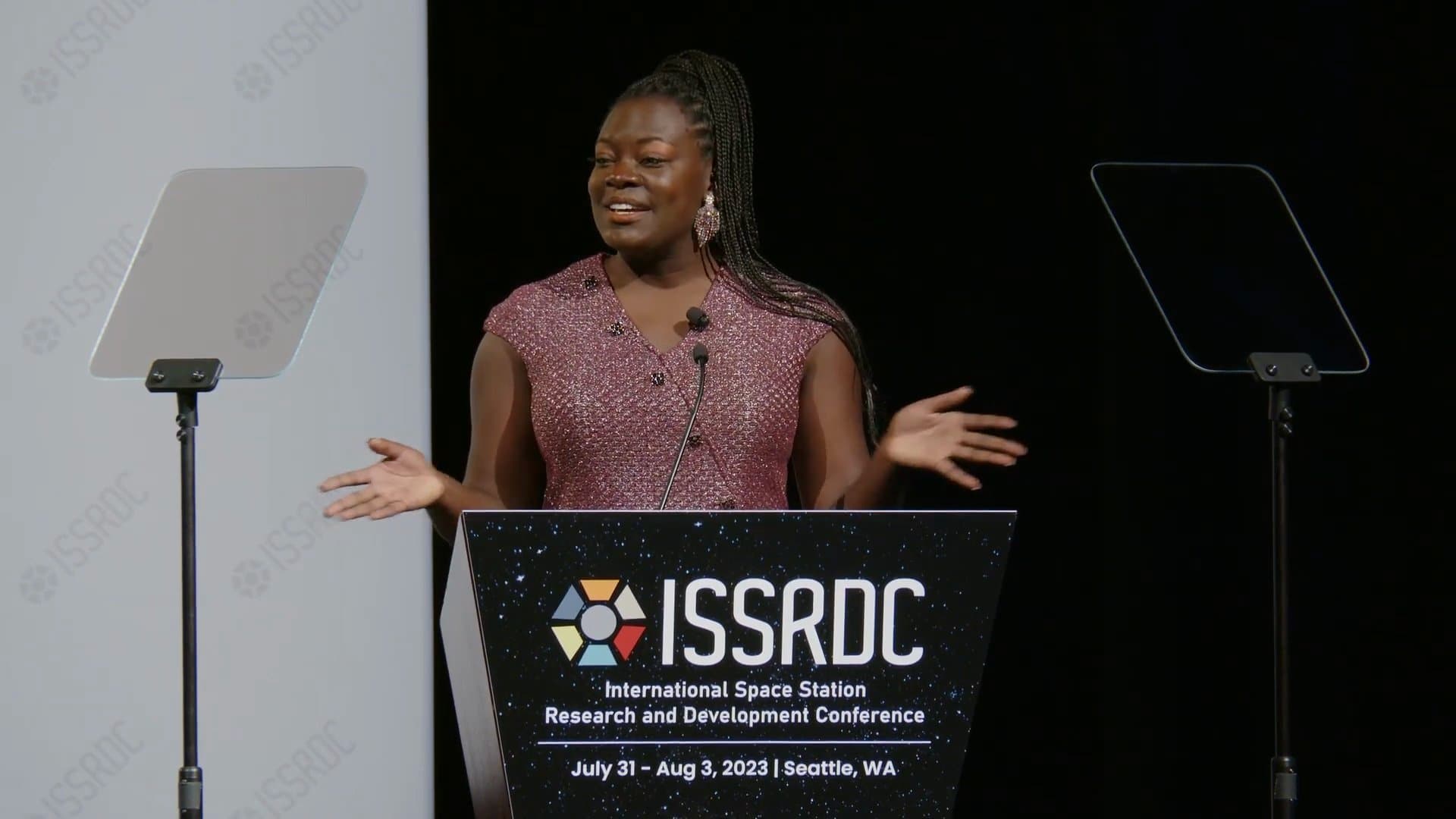
Baxter asks for a round of applause as she welcomes attendees to the first day of the conference in Seattle, Aug. 1, 2023. Photo: ISS National Lab video
Dr. Raven Baxter opened Day 1 of the 12th annual International Space Station Research and Development Conference at the Hyatt Regency Seattle on Aug. 1, 2023. "I am Raven Baxter, also known as Dr. Raven, and I'll be your emcee for today," she told attendees, then asked for "a round of applause for everyone here today."
Attendees applaud at Baxter's request in the conference's main session hall. Image: ISS National Lab video
NASA scheduled live coverage of the welcome session on NASA Television, its app and its website. The agency's media advisory listed Baxter as "scientist and educator, The Science Maven." Beside her on the program were astronaut Megan McArthur and Dana Weigel, deputy manager of NASA's International Space Station Program. Ray Lugo of the ISS National Laboratory and John Mulholland, a Boeing vice president, completed the list.
The welcome fell on a launch day for the station. That evening, a Northrop Grumman Antares rocket launched the Cygnus cargo craft S.S. Laurel Clark from NASA's Wallops Flight Facility in Virginia. It carried more than 8,200 pounds of science, crew supplies and hardware. Weigel opened her own remarks by wishing the room a happy launch day.
In July, a Pew Research Center survey found 69% of Americans considered it essential for the U.S. to remain a world leader in space exploration.
Baxter told the audience, "this week we're here to celebrate the achievements of science, R&D, and collaboration that research through the International Space Station delivers year after year." She announced the year's theme, "Innovating in the New Space Age: Accelerating Commercialization and Science in Space through 2030." She promised talks "about research benefiting humanity and the evolution of economic and business development models supporting commercial growth."
The United States intends to operate the station through 2030, according to a White House research strategy for low Earth orbit released in March 2023. After the station retires, the strategy says, the government will rely on commercial space stations for research.
"This is truly an exciting time in our field, a field that has the potential to impact the success of so many other industries by providing a chance to flip the script, right?" Baxter said. "All of this and much more will be discussed this week, and I for one am all for it."
In her opening, she described herself as a molecular biologist "with a passion for science education." She said she was fascinated by the ways creative outlets such as music, fashion and comedy might change perceptions of science.
Through the day, Baxter brought speakers and moderators to the stage. She first introduced Lugo, chief executive of the ISS National Lab, as "one of the hosts of this annual conference." Before the morning keynote on disease research, she introduced its moderator, Dr. Ezinne Uzo-Okoro, assistant director for space policy at the White House Office of Science and Technology Policy. Baxter listed Uzo-Okoro's undergraduate degree in computer science from Rensselaer Polytechnic Institute. She added, "get a load of this, three master's degrees in aerospace systems, space robotics and public policy from Johns Hopkins University, MIT and Harvard."
Baxter introduces Dr. Ezinne Uzo-Okoro of the White House Office of Science and Technology Policy before the morning keynote. Image: ISS National Lab video
She also introduced Francisco Cordova, the ISS National Lab's chief operating officer. He moderated a panel on the future of research and development in low Earth orbit. Cordova began with "thank you so much, Dr. Raven." She welcomed Dr. Katy Martin of miniPCR bio for an afternoon lightning talk on engagement and workforce development in science, technology, engineering and math (STEM).
Baxter introduces Francisco Cordova's panel on the future of research in low Earth orbit. Image: ISS National Lab video
Mulholland, who spoke after McArthur, opened his remarks by recognizing Baxter. "First I'd like to recognize Raven the Science Maven and everything that she is doing to spark interest in STEM," he said. He told her that her reach was helping broaden the talent pipeline, and thanked her. Later, he warned of difficult budget cycles ahead and urged attendees who cared about the station's science to be vocal.
The fifth of the White House strategy's five objectives is to stimulate STEM education and workforce development, "including by increasing opportunities for people from backgrounds underrepresented in STEM."
The conference is hosted by the Center for the Advancement of Science in Space, NASA and the American Astronautical Society, according to the ISS National Lab. The lab calls it "the only conference dedicated exclusively to showcasing how the International Space Station is advancing science and technology." The first was held in Denver in 2012.
Congress designated the station a U.S. national laboratory in 2005. The Center for the Advancement of Science in Space, a nonprofit, was selected to manage it in 2011. The lab's charge includes educational outreach and workforce development. The American Astronautical Society was founded in 1954. The 2023 meeting drew nearly 900 attendees, the ISS National Lab reported in December.
Baxter moved into education research for her Ph.D. at the University at Buffalo, which she received in February 2022.
The ISS National Lab posted the Day 1 welcome on YouTube on Aug. 10, 2023.
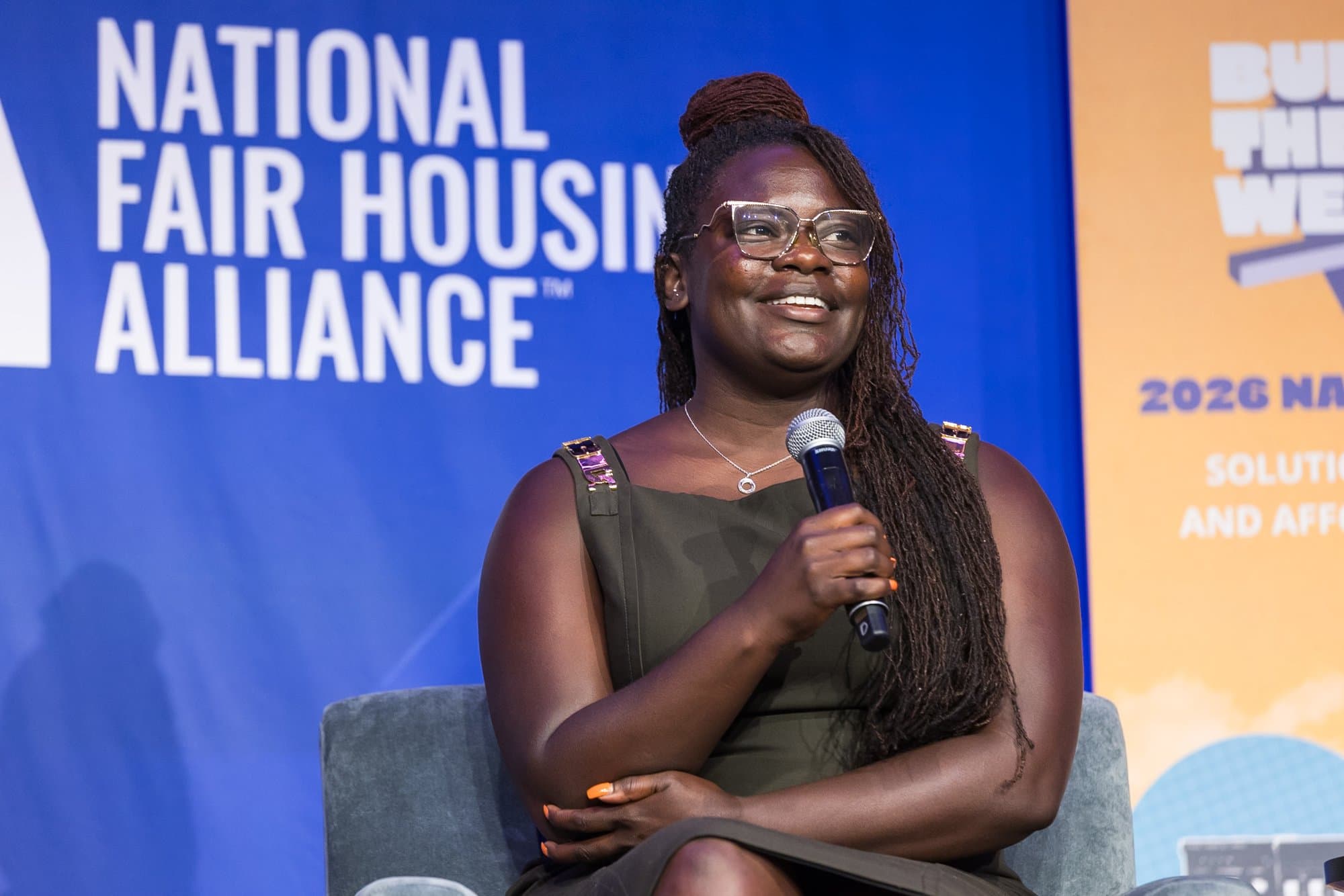
Dr. Raven Baxter joined National Fair Housing Alliance President and CEO Lisa Rice on June 28, 2026, for a fireside chat on housing discrimination at the alliance's national conference in Washington.
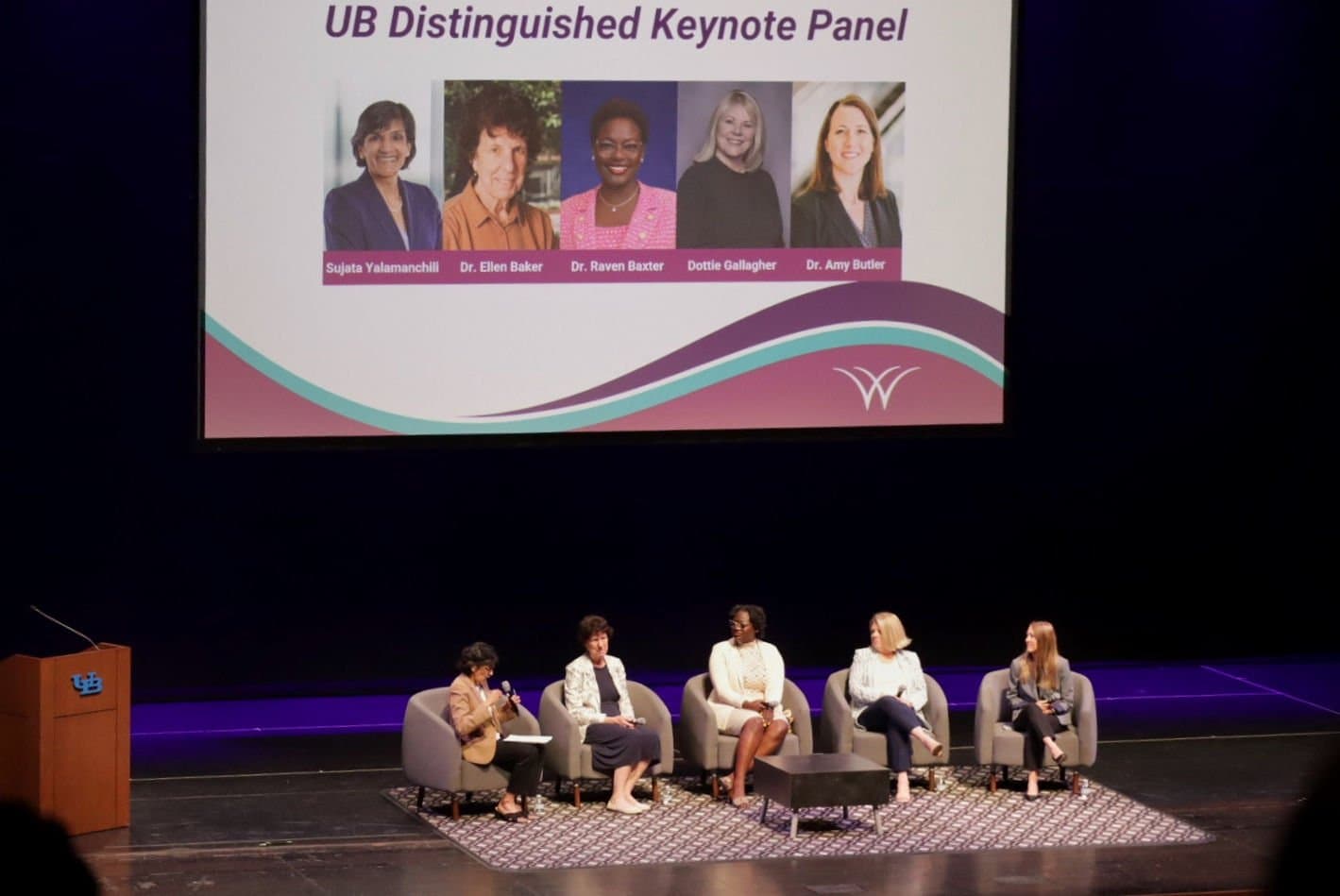
Dr. Raven Baxter joined three fellow University at Buffalo alumnae on the UB Distinguished Keynote Panel at the fourth annual WNY Leadership Summit on May 29, 2026.