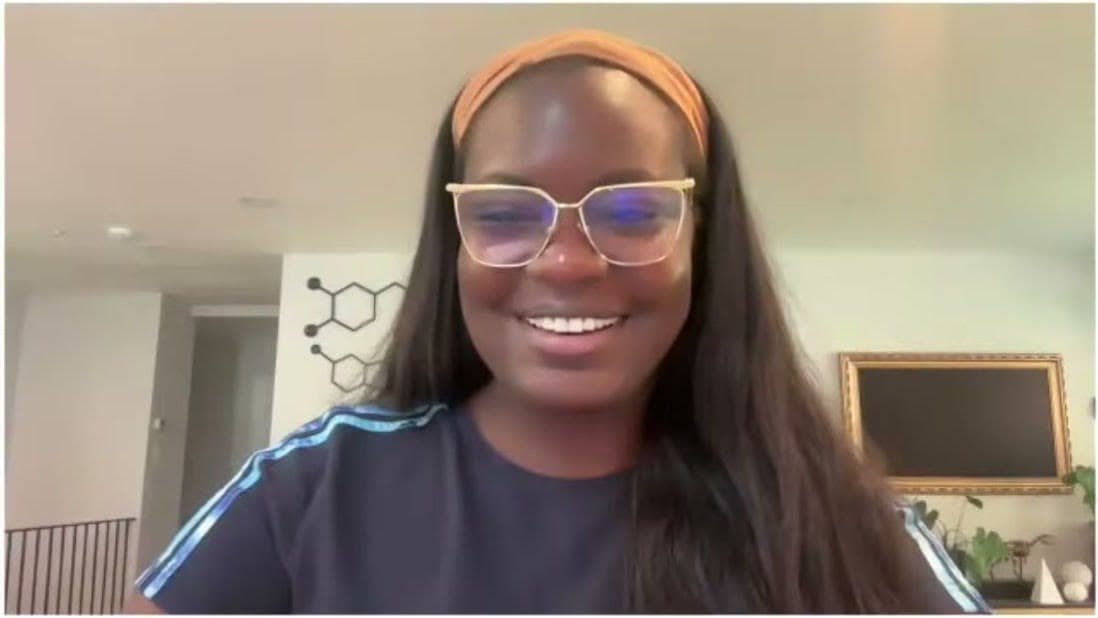
Facebook launched Bulletin, its newsletter platform, on June 29, 2021, with Raven Baxter among its first writers. That day, she told Chief Executive Mark Zuckerberg that Facebook needed scientists on social media.
Zuckerberg had asked how Baxter saw Bulletin. She answered with a case for scientists where information spreads fast.
"I feel like Facebook really needs scientists and science educators to serve where they're needed the most, not just in real life, but especially on social media, where information spreads so, so fast, as we all know," she said.
She spoke in the Facebook Live Audio Room where Zuckerberg announced the launch. Campbell Brown, Facebook's vice president of global news partnerships, introduced her. The economist Tyler Cowen, another of the platform's first writers, joined the conversation.
Bulletin was Facebook's entry into paid newsletters. In January, Twitter had bought Revue, a newsletter startup that competes with Substack. Facebook promised its writers "complete editorial independence" and multi-year licensing deals. It said it would take no cut of subscriptions. Substack charged 10% and Revue 5%, the Columbia Journalism Review reported.
In February, Facebook had expanded the list of false claims about COVID-19 and vaccines it would remove.
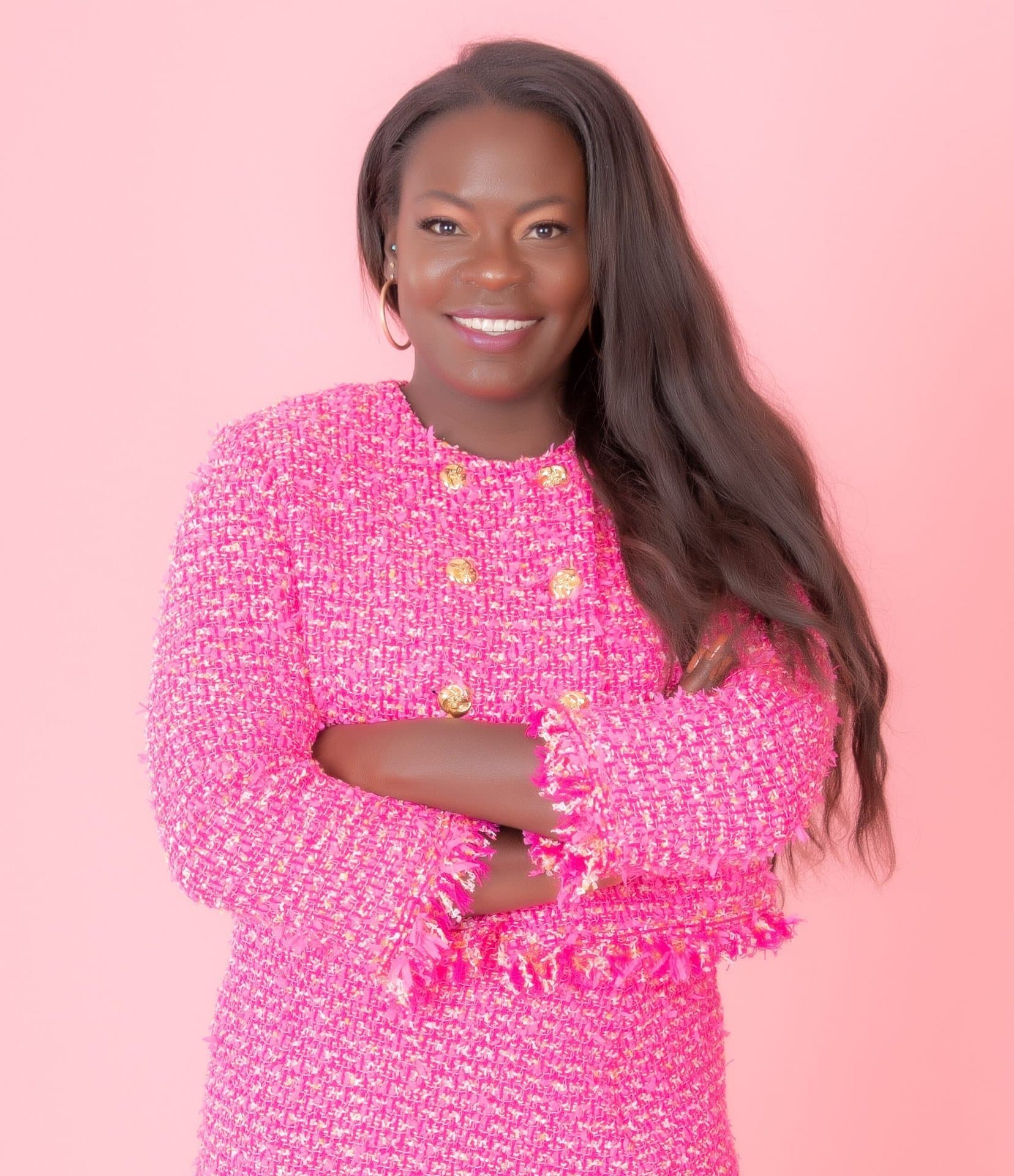
Baxter described herself as a molecular biologist and a science communicator, "somebody who makes science fun and engaging to the public and bridges the gap between science and the public."
Science after the vaccines
Cowen asked Baxter about the moment. People were "super excited about science, like the mRNA vaccines, they work, right?" he said. He wanted to know whether science could gain "a permanently higher status," with kids growing up wanting to be scientists.
Baxter said the answer started with who science serves. "One of my biggest priorities is making sure that science is accessible to everyone," she said.
"It's important to make everyone understand or realize that science is for everyone," Baxter said. "You don't have to be a scientist to love science and learn science."
Once people stopped "questioning if they're even allowed in the space," she said, more of them would learn science and share what they learned. Some, she hoped, would become scientists. In her first Bulletin post that day, she wrote, "Everyone deserves to feel like they have a seat at the science table."
Brown noted that many people had followed science more closely because of COVID-19, and asked how Baxter reached young people. Baxter said her newsletter, Science and the Culture, would cover "the process of science, the culture, the systems that exist in it."
"I feel that it's really important to bring diversity to the table, and kind of disrupting this tradition and stereotypes of how science looks and how science is discussed," she said.
Young people today, she said, are "embracing such a larger freedom and greater sense of self and expression." She added, "It's really important that we take the time to make space for this growth, and make sure that science culture grows in the same way that our young people are growing."
Cowen predicted new advances in biomedicine as "extreme computing power" reached more scientists. Baxter pointed to the room's earlier discussion of artificial intelligence. "There are so many ways that we're going to be able to utilize these new technologies to make our discoveries happen faster, so that we can act quickly when there are global emergencies," she said.
Brown praised the at-home science experiments and challenges Baxter created for teens during the pandemic. "I was one of those parents who had kids stuck at home," Brown said. Baxter was trying to fill a void, she said, while schools were closed and children were missing out.
Zuckerberg said his science philanthropy had given him "more of an appreciation for how important science comms are." He called it "really critical" to communicate scientific progress to the public and "build trust in the field." He told Baxter, "I think your work here is really important."
"I'm honored to be your colleague in Bulletin," Cowen told her. Under her first post, one reader wrote, "The audio room with you and Mark went so well."
Bulletin's first writers
Facebook described Bulletin as publishing and subscription tools for independent writers in the U.S. Writers kept all subscription revenue for the length of their partnerships, and their posts could appear in Facebook News. Facebook hand-picked its writers, unlike Substack's open model, and paid them up front, TechCrunch reported.
Variety listed Baxter among the first partners, with Malcolm Gladwell, Erin Andrews, Tan France, Cowen, Jessica Yellin, Mitch Albom, Dorie Greenspan and Ron Claiborne.
Baxter was then a doctoral candidate at the University at Buffalo, writing a dissertation on hip-hop and science communication. Brown congratulated her on air for finishing her Ph.D. She had defended her dissertation that month, and the degree was conferred in February 2022.
Baxter wrote Science and the Culture on Bulletin into 2022. Meta announced in October 2022 that it would close Bulletin by early 2023, and the platform went read-only that January.
Facebook's announcement of Bulletin remains on its newsroom, and Baxter's launch-day newsletter page is archived.