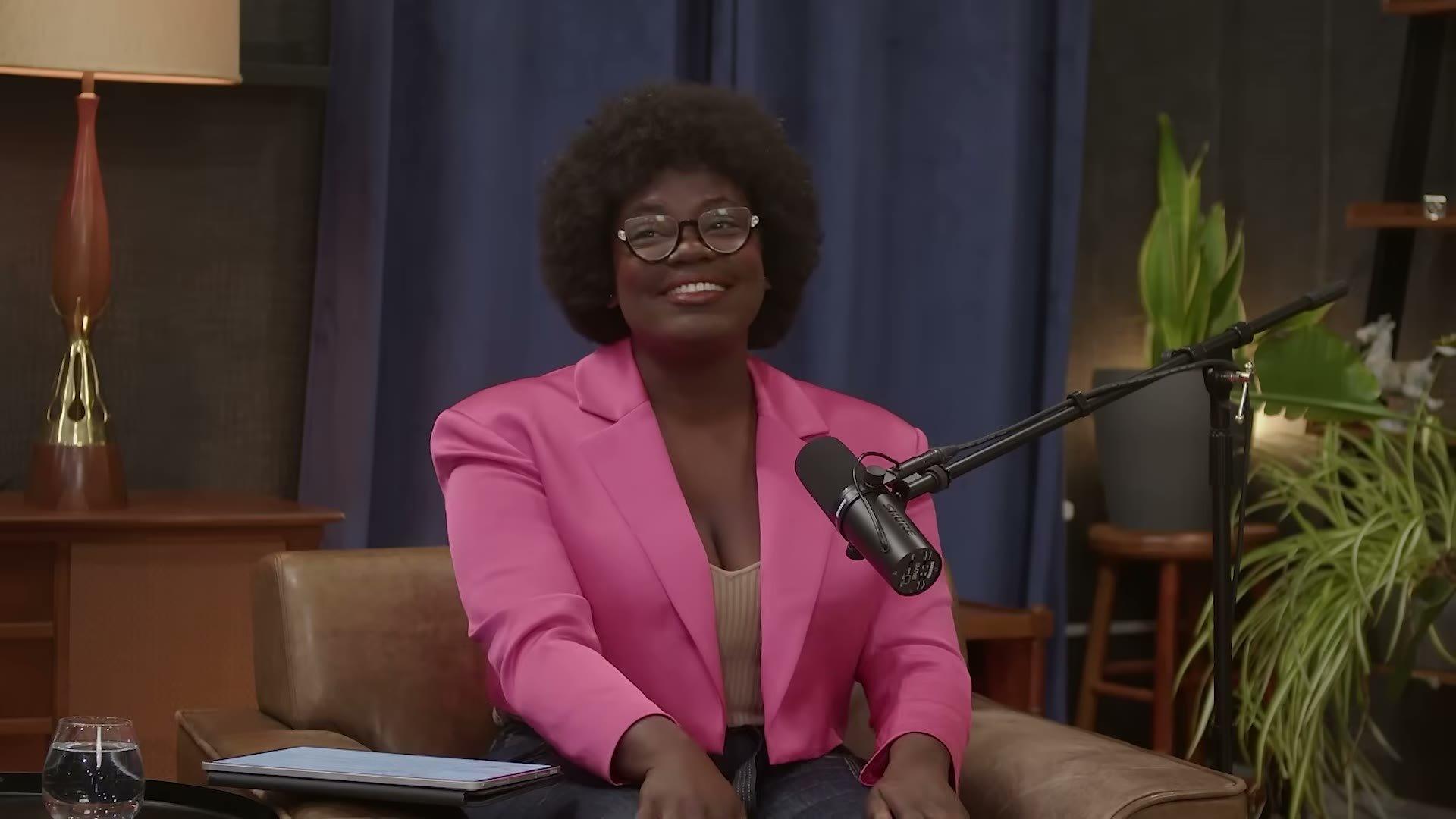
Dr. Raven Baxter closed a three-reel Instagram series for the Partnership for Public Service on Sept. 27, 2026, with a reel filmed outside United Nations headquarters in New York. The series began July 2 and told the stories behind federally funded science.
"A flesh-eating fly is back in Texas this year for the first time in decades since scientists at the U.S. Department of Agriculture eradicated it in 1966," Baxter said as the final reel opened.
On June 3, the USDA confirmed New World screwworm in a calf in Zavala County, Texas. It added ground release chambers to the 4 million sterile flies a week it was already dropping from the air. On July 4, Global Biodefense reported that 12 ground chambers around San Angelo had released nearly one million sterile flies in a single cycle. According to the partnership's tracker data, federal science agencies lost more than 117,000 employees from September 2024 to February 2026, and their grants fell 24% from 2024 to 2025.
The first reel, on July 2, introduced the partnership's tracker, The Cost of Cutting American Science. "If you've ever wondered what 'funding cuts to science' actually look like beyond the headlines, this one's worth a look," Baxter wrote.
 Baxter explains how Gila monster venom led to a diabetes drug in the series' second reel. Image: The Science Maven video
The second reel, on Aug. 27, made the case for basic research. In the early 1990s, Dr. John Eng, an endocrinologist at the Veterans Affairs Medical Center in the Bronx, found a molecule called exendin-4 in Gila monster venom. It became exenatide, which the FDA approved in 2005. Later glucagon-like peptide-1 (GLP-1) drugs followed. The story went "from a desert lizard to a lab bench," Baxter said.
The third reel went back to the 1950s, when the screwworm was "costing American ranchers about $200 million every year, and that's about $1.8 billion in today's money," Baxter said. "What scientists did was treat millions of male flies with radiation so that they couldn't reproduce." Because females mate once, the population crashed. "This research cost about $250,000, and since then, it's saved ranchers about $200 million annually," she said.
 Baxter describes the USDA's 2026 sterile fly releases in Texas. Image: The Science Maven video
"This year, the USDA is releasing millions of sterile flies into the air in Texas using that same science that worked 60 years ago," she said. "Federal science protects the food on your table even when you don't see it." The reel closed with a poll asking viewers if the government should keep investing in science.
The nonpartisan Partnership for Public Service was founded in 2001 by philanthropist Samuel J. Heyman. It runs the Service to America Medals, the Best Places to Work in the Federal Government rankings and the Center for Presidential Transition. Its stated mission is "to build a better government and a stronger democracy."
Paid partnership with the Partnership for Public Service.